

How to Choose an Outdoor Mobile Toilet?
2026-02-10
Article Abstract
An outdoor mobile toilet is an essential sanitation solution for construction sites, outdoor events, emergency response areas, tourist attractions, and remote locations. Choosing the right model directly affects hygiene standards, user comfort, operational efficiency, and long-term maintenance costs. This article provides a structured and practical guide to understanding outdoor mobile toilets, addressing common customer concerns such as durability, waste treatment, mobility, environmental impact, and compliance. It offers clear evaluation criteria, configuration comparisons, and frequently asked questions to support informed purchasing decisions.
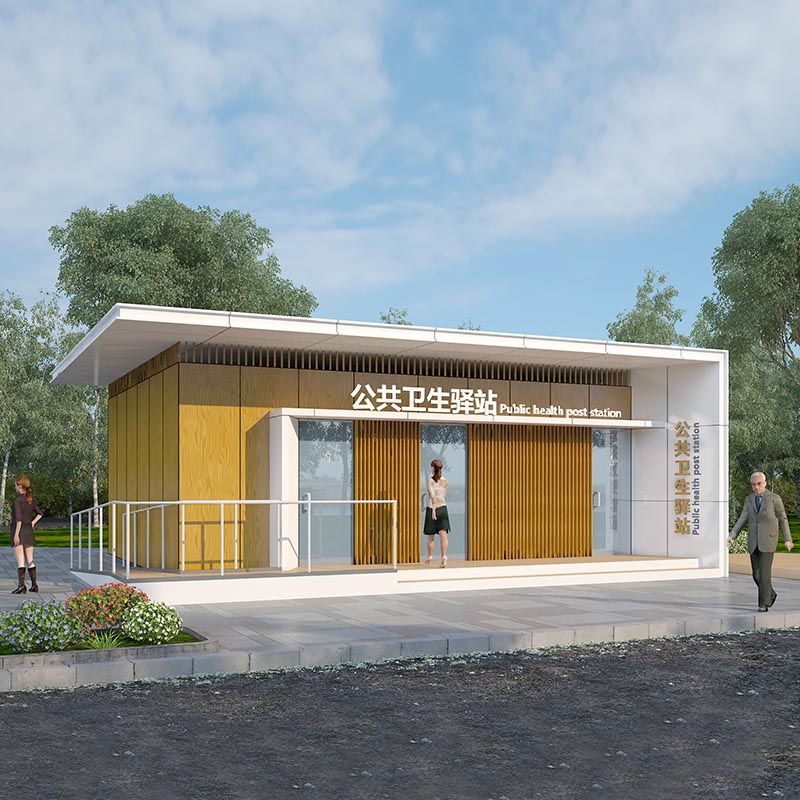
Table of Contents
- Article Outline
- What Is an Outdoor Mobile Toilet?
- Common Customer Pain Points
- Main Types and Structures
- Material and Structural Considerations
- Key Functional Configurations
- Configuration Comparison Table
- Typical Application Scenarios
- Maintenance and Lifecycle Management
- Frequently Asked Questions
- Conclusion and Contact
Article Outline
- Core concept and usage background of outdoor mobile toilets
- Customer challenges in selection and deployment
- Structural types and material options
- Functional systems and optional configurations
- Scenario-based recommendations
- Maintenance considerations and long-term value
What Is an Outdoor Mobile Toilet?
An outdoor mobile toilet is a self-contained or semi-self-contained sanitation unit designed for temporary or semi-permanent outdoor use. Unlike traditional fixed toilets, it does not rely on permanent plumbing infrastructure. These units are engineered to be movable, weather-resistant, and adaptable to diverse environments such as construction zones, parks, disaster relief sites, and large-scale outdoor events.
Modern outdoor mobile toilets emphasize hygiene control, odor management, ease of transportation, and user safety. Depending on configuration, they may include flushing systems, waste collection tanks, ventilation units, lighting, and handwashing facilities.
Common Customer Pain Points
- Unclear differences between flushing and non-flushing systems
- Concerns about odor control and sanitation standards
- Durability issues under long-term outdoor exposure
- High maintenance frequency and operating costs
- Difficulty in transportation and on-site installation
- Compliance with environmental and public hygiene requirements
Main Types and Structures
Outdoor mobile toilets can be classified based on waste treatment method and structural design.
- Non-Flushing Toilets: Use sealed waste tanks and deodorizing agents, suitable for short-term or remote use.
- Flushing Toilets: Incorporate water flushing systems for improved hygiene and user comfort.
- Vacuum Toilets: Reduce water consumption while maintaining cleanliness.
- Trailer-Mounted Units: Designed for frequent relocation and rapid deployment.
- Integrated Modular Units: Suitable for longer-term outdoor projects.
Material and Structural Considerations
Material selection plays a critical role in durability, hygiene, and maintenance efficiency.
- High-Density Polyethylene (HDPE): Lightweight, corrosion-resistant, and easy to clean.
- FRP (Fiber Reinforced Plastic): Strong structural integrity with good insulation properties.
- Steel Frame Reinforcement: Enhances stability in high-traffic or windy environments.
Anti-slip flooring, UV-resistant surfaces, and sealed joints are essential for long-term outdoor performance.
Key Functional Configurations
- Ventilation systems for odor reduction
- Waste holding tanks with level indicators
- Handwashing sinks or sanitizer dispensers
- Interior lighting for night-time use
- Insulation options for cold climates
- Accessible design for special user groups
Configuration Comparison Table
| Configuration Item | Basic Model | Standard Model | Enhanced Model |
|---|---|---|---|
| Flushing System | No | Manual Flush | Automatic Flush |
| Ventilation | Natural | Mechanical Fan | Enhanced Odor Control |
| Handwashing Facility | No | Optional | Integrated Sink |
| Mobility | Forklift | Wheel Base | Trailer Mounted |
Typical Application Scenarios
- Construction and infrastructure projects
- Outdoor exhibitions and sports events
- Tourist attractions and parks
- Emergency and disaster response sites
- Temporary workforce accommodation areas
Maintenance and Lifecycle Management
Regular maintenance ensures hygiene compliance and extends service life. Key practices include scheduled waste removal, surface disinfection, ventilation inspection, and component replacement. Selecting standardized components and easy-access service panels reduces downtime and operating costs over the unit’s lifecycle.
Frequently Asked Questions
Q1: How often does an outdoor mobile toilet need waste removal?
This depends on usage frequency and tank capacity. High-traffic sites may require daily service, while low-usage locations can operate for several days between maintenance cycles.
Q2: Can outdoor mobile toilets be used in extreme weather conditions?
Yes, with proper material selection, insulation, and ventilation design, these units can function in hot, cold, and humid environments.
Q3: Are outdoor mobile toilets environmentally compliant?
Modern designs focus on sealed waste containment, controlled disposal, and reduced water consumption, supporting environmentally responsible operation.
Conclusion and Contact
Selecting the right outdoor mobile toilet requires a balanced evaluation of structure, functionality, durability, and maintenance efficiency. A well-matched solution improves user experience, operational reliability, and long-term value across diverse outdoor scenarios.
Cymdin provides professionally engineered outdoor mobile toilet solutions designed to meet real-world operational demands. For tailored configurations, technical details, and deployment support, contact us to discuss your project requirements and receive expert assistance.