

How Sweat Steaming Room Enhances Recovery, Comfort, and Sauna Experience
2026-06-30
Abstract
A Sweat Steaming Room is an advanced wellness solution designed to combine heat therapy, controlled steam generation, and relaxation principles into a structured environment for physical recovery and mental relief. This article explores how Sweat Steaming Rooms work, their key benefits, design considerations, installation factors, and safety requirements. It also addresses common concerns such as maintenance, cost efficiency, and user experience optimization. Whether for commercial spas, fitness centers, or private wellness spaces, understanding the structure and function of these systems helps users make informed decisions and maximize long-term value.
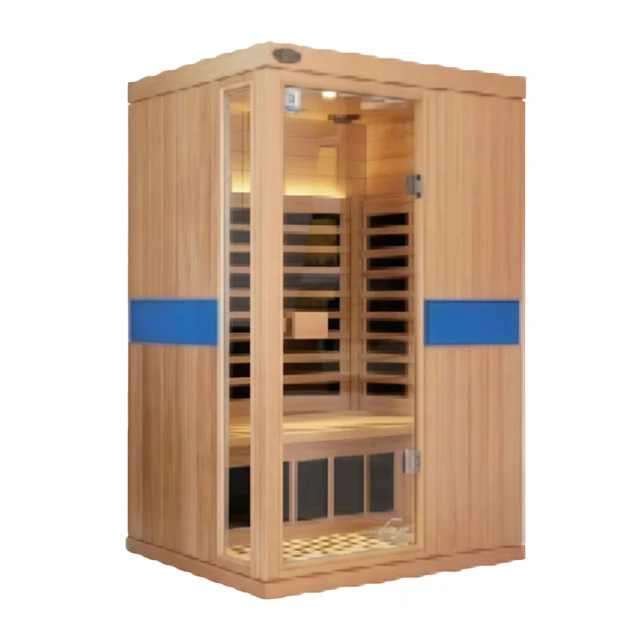
Table of Contents
- 1. Overview of Sweat Steaming Room Technology
- 2. How Sweat Steaming Rooms Work
- 3. Key Health and Wellness Benefits
- 4. Structural Design and Material Considerations
- 5. Installation Requirements and Best Practices
- 6. Maintenance and Operational Efficiency
- 7. Comparison with Traditional Sauna Systems
- 8. Safety Guidelines and User Precautions
- 9. Frequently Asked Questions
- 10. Conclusion and Professional Recommendation
1. Overview of Sweat Steaming Room Technology
A Sweat Steaming Room is a controlled thermal environment designed to stimulate perspiration through regulated heat and steam circulation. Unlike conventional dry saunas, these rooms utilize humid heat to penetrate the skin more effectively, promoting deeper relaxation and detoxification-like effects. Modern systems often integrate digital temperature controls, humidity sensors, and energy-efficient steam generators.
Companies such as Zhongye focus on delivering engineered Sweat Steaming Room solutions that meet both residential and commercial demands. These systems are widely adopted in wellness centers, physiotherapy clinics, and fitness facilities seeking enhanced recovery environments.
2. How Sweat Steaming Rooms Work
The working principle of a Sweat Steaming Room is based on thermodynamic heat transfer and humidity saturation. The system generates steam through an integrated boiler or steam generator, which is then distributed evenly throughout the enclosed chamber.
- Heat Generation: Water is heated to produce steam at controlled temperatures.
- Steam Distribution: Steam is released through nozzles placed strategically within the room.
- Humidity Regulation: Sensors maintain optimal humidity levels for comfort and safety.
- Temperature Control: Digital panels allow precise adjustment of internal heat conditions.
The combination of heat and moisture increases body temperature gradually, triggering sweating mechanisms that help improve circulation and muscle relaxation.
3. Key Health and Wellness Benefits
Sweat Steaming Rooms are widely valued for their therapeutic and restorative effects. While individual results vary, consistent use offers several potential wellness advantages.
- Muscle Recovery: Heat exposure helps relax tense muscles and reduce soreness after physical activity.
- Circulation Support: Elevated temperature encourages improved blood flow throughout the body.
- Stress Reduction: The warm environment supports nervous system relaxation.
- Skin Cleansing: Sweating helps remove surface impurities and unclog pores.
- Respiratory Comfort: Steam may help ease breathing discomfort in controlled sessions.
These benefits make Sweat Steaming Rooms a preferred option for athletes, spa users, and individuals seeking holistic wellness solutions.
4. Structural Design and Material Considerations
The performance and durability of a Sweat Steaming Room depend heavily on material selection and structural engineering. High-quality systems typically incorporate moisture-resistant materials and insulated wall panels.
| Component | Recommended Material | Function |
|---|---|---|
| Wall Panels | Waterproof composite boards | Heat insulation and moisture resistance |
| Steam Generator | Stainless steel core | Durable steam production |
| Sealing System | Silicone-based sealing strips | Prevents steam leakage |
| Control Panel | Digital LCD interface | User temperature and timer control |
Proper structural engineering ensures energy efficiency, safety, and long-term operational stability.
5. Installation Requirements and Best Practices
Installing a Sweat Steaming Room requires careful planning of space, electrical systems, and ventilation. Professional installation ensures both safety and performance optimization.
- Ensure adequate waterproof flooring and drainage systems.
- Provide stable electrical input compatible with steam generators.
- Maintain proper ventilation outside the steam chamber.
- Use certified installation teams to avoid operational risks.
Manufacturers like Zhongye often provide full installation guidance and technical support to ensure seamless setup and integration.
6. Maintenance and Operational Efficiency
Routine maintenance is essential for extending the lifespan of a Sweat Steaming Room and ensuring consistent performance. Neglecting maintenance can lead to reduced steam efficiency and system malfunction.
- Clean steam nozzles regularly to prevent mineral buildup.
- Inspect electrical components for wear and tear.
- Descale steam generators periodically.
- Check sealing systems for leakage prevention.
Efficient maintenance not only reduces repair costs but also improves user safety and comfort.
7. Comparison with Traditional Sauna Systems
Sweat Steaming Rooms differ significantly from traditional dry saunas in terms of humidity levels, heat distribution, and user experience.
- Humidity: Steam rooms maintain high humidity, while dry saunas use low moisture heat.
- Heat Penetration: Steam provides deeper skin-level heat absorption.
- Comfort Level: Many users find steam environments more tolerable for longer sessions.
- Energy Usage: Modern steam systems often include energy-efficient controls.
The choice between systems depends on user preference and intended application.
8. Safety Guidelines and User Precautions
While Sweat Steaming Rooms are generally safe when used correctly, adherence to guidelines is essential to prevent discomfort or health risks.
- Limit session duration to recommended time ranges.
- Stay hydrated before and after use.
- Avoid use in cases of severe cardiovascular conditions without medical advice.
- Ensure temperature controls are properly calibrated.
Safety systems integrated by professional manufacturers help regulate temperature and prevent overheating scenarios.
9. Frequently Asked Questions
What is a Sweat Steaming Room used for?
It is used for relaxation, muscle recovery, improved circulation, and wellness enhancement through controlled heat and steam exposure.
How long should a session last?
Most users benefit from sessions lasting between 10 to 20 minutes depending on tolerance and environmental conditions.
Is installation complex?
Professional installation is recommended to ensure electrical safety, waterproofing, and proper steam system calibration.
How often should maintenance be performed?
Basic cleaning should be done weekly, while technical inspection is recommended monthly or quarterly depending on usage intensity.
Can it be used in commercial facilities?
Yes, Sweat Steaming Rooms are widely used in gyms, spas, wellness centers, and rehabilitation facilities.
10. Conclusion and Professional Recommendation
A Sweat Steaming Room represents a modern approach to wellness infrastructure, combining engineering precision with therapeutic benefits. Its ability to deliver controlled heat and humidity makes it suitable for diverse applications ranging from personal relaxation to professional recovery environments.
With advanced manufacturing and system integration provided by Zhongye, users can expect reliable performance, energy efficiency, and long-term durability. For businesses seeking to upgrade their wellness offerings or individuals planning to build private recovery spaces, investing in a well-designed steam system is a strategic decision.
If you are planning to build or upgrade your wellness facility, now is the right time to explore tailored solutions. Contact us today to learn more about customized Sweat Steaming Room systems and professional installation support.