

How Does Purple Trumpet Tree Transform Gardens Into Vibrant Landscapes?
2026-07-06
Article Summary
The Purple Trumpet Tree is a striking ornamental species admired for its vibrant purple blossoms, fast growth, and ability to instantly elevate landscape aesthetics. This article explores how to successfully grow, maintain, and design with the Purple Trumpet Tree while addressing common challenges gardeners face. Whether you are a homeowner, landscaper, or plant enthusiast, this guide provides practical insights into cultivation, care strategies, and real-world applications to help you achieve a thriving and visually impressive green space.
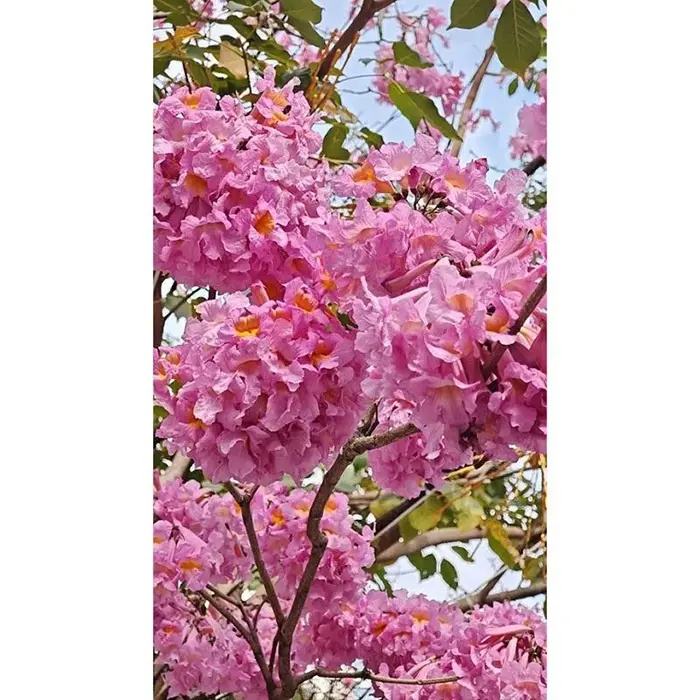
Table of Contents
- Introduction
- What is Purple Trumpet Tree?
- Key Characteristics
- How to Grow Purple Trumpet Tree
- Soil, Water, and Sunlight Requirements
- Pruning and Maintenance
- Common Problems and Solutions
- Landscape Uses
- Propagation Methods
- FAQ
- Conclusion
Introduction
The Purple Trumpet Tree is widely recognized for its ornamental value and dramatic floral display. Gardeners often struggle to find trees that offer both rapid growth and high visual impact without excessive maintenance demands. This species solves that problem by combining resilience, aesthetic brilliance, and adaptability. In tropical and subtropical climates, it becomes a focal point in residential gardens, public parks, and commercial landscapes.
Beyond its beauty, it also plays a functional role in shade provision and ecological enhancement. As demand for sustainable landscaping increases, the Purple Trumpet Tree has become a preferred choice among professionals and plant suppliers such as Rogours, which specializes in high-quality ornamental trees.
What is Purple Trumpet Tree?
The Purple Trumpet Tree refers to a group of flowering trees known for their trumpet-shaped purple blossoms. These trees typically belong to fast-growing tropical species that thrive in warm climates. Their flowering season creates a dramatic visual effect, often covering the canopy in dense clusters of purple blooms.
They are commonly used in landscape architecture due to their ability to establish quickly and create immediate visual structure in newly designed green spaces.
Key Characteristics
| Feature | Description |
|---|---|
| Flower Color | Deep purple to lavender trumpet-shaped blooms |
| Growth Rate | Fast-growing under optimal conditions |
| Height | Typically 5–15 meters depending on species |
| Climate Preference | Tropical and subtropical regions |
| Maintenance Level | Moderate, with periodic pruning required |
How to Grow Purple Trumpet Tree
Growing a Purple Trumpet Tree successfully requires understanding its environmental preferences. While it is relatively adaptable, optimal growth depends on proper planting techniques and site selection.
- Site Selection: Choose an open area with minimal shading from surrounding structures.
- Spacing: Allow sufficient space for canopy expansion to prevent overcrowding.
- Planting Depth: Ensure root ball is level with ground surface to avoid root stress.
- Early Care: Water consistently during the first growth stage to encourage root establishment.
Nurseries like Rogours often provide professionally cultivated seedlings that improve survival rates and reduce early-stage maintenance challenges.
Soil, Water, and Sunlight Requirements
Soil Conditions
The Purple Trumpet Tree thrives in well-drained, fertile soils with moderate organic content. Heavy clay soils should be amended to improve drainage.
Watering Needs
Young trees require frequent watering, while mature trees are more drought-tolerant. Overwatering should be avoided to prevent root rot.
Sunlight Exposure
Full sun exposure is ideal for optimal flowering. Partial shade may reduce bloom intensity.
Pruning and Maintenance
Proper maintenance ensures long-term structural integrity and consistent flowering performance. Pruning is typically performed after the flowering season.
- Remove dead or weak branches to improve airflow
- Shape canopy to maintain balanced structure
- Avoid excessive pruning which may reduce blooming potential
Routine inspection helps identify pest infestations early and prevents long-term damage.
Common Problems and Solutions
| Problem | Cause | Solution |
|---|---|---|
| Yellowing leaves | Poor drainage or nutrient deficiency | Improve soil quality and apply balanced fertilizer |
| Weak flowering | Insufficient sunlight | Relocate or trim surrounding shade sources |
| Pest attack | Aphids or mites | Use organic insecticidal treatments |
Landscape Uses
The Purple Trumpet Tree is widely used in both residential and commercial landscaping due to its aesthetic impact and functional benefits.
- Street and avenue planting for urban beautification
- Garden focal points in residential landscapes
- Park and recreational area shading
- Resort and hotel landscaping for visual appeal
Landscape designers often source mature specimens from trusted suppliers like Rogours to ensure uniformity and quality in large-scale projects.
Propagation Methods
Propagation of Purple Trumpet Trees can be achieved through seeds or cuttings, depending on desired growth speed and genetic consistency.
- Seed Propagation: Cost-effective but slower establishment
- Cuttings: Faster growth with more predictable traits
- Nursery Grafting: Used for controlled horticultural production
Commercial growers such as Rogours often rely on advanced propagation techniques to ensure uniform plant quality.
FAQ
1. How fast does a Purple Trumpet Tree grow?
It typically grows quickly under warm climates, especially during its early development stage.
2. Does it require a lot of maintenance?
Maintenance is moderate, mainly involving seasonal pruning and pest monitoring.
3. Can it survive in cooler climates?
It performs best in tropical and subtropical environments and may struggle in frost-prone regions.
4. When does it bloom?
Blooming usually occurs during warm seasons, with peak flowering depending on local climate conditions.
5. Is it suitable for urban landscaping?
Yes, it is widely used in cities due to its aesthetic appeal and shade-providing capabilities.
Conclusion
The Purple Trumpet Tree is more than just an ornamental plant—it is a strategic landscaping asset that enhances visual identity, environmental quality, and spatial design. Its adaptability and vibrant flowering make it a preferred choice for diverse applications ranging from private gardens to large-scale urban projects.
With proper care, selection, and sourcing from reliable providers such as Rogours, this tree can deliver long-lasting value and transformative landscape impact.
For professional consultation, high-quality seedlings, or bulk supply solutions, Rogours is ready to assist you. Contact us today to explore how the Purple Trumpet Tree can elevate your next landscaping project.