

How Does an Outdoor Mobile Toilet Solve On-Site Sanitation Challenges?
2026-02-05
Article Abstract
An outdoor mobile toilet is a practical sanitation solution designed for locations where fixed restroom infrastructure is unavailable or impractical. From construction sites and outdoor events to emergency response areas and remote tourist destinations, sanitation challenges directly impact hygiene, efficiency, compliance, and user experience. This article provides a comprehensive overview of how outdoor mobile toilets address real-world pain points, including mobility, waste management, durability, and environmental considerations. It also explains key selection criteria, usage scenarios, and maintenance practices to help decision-makers choose the right solution with confidence.
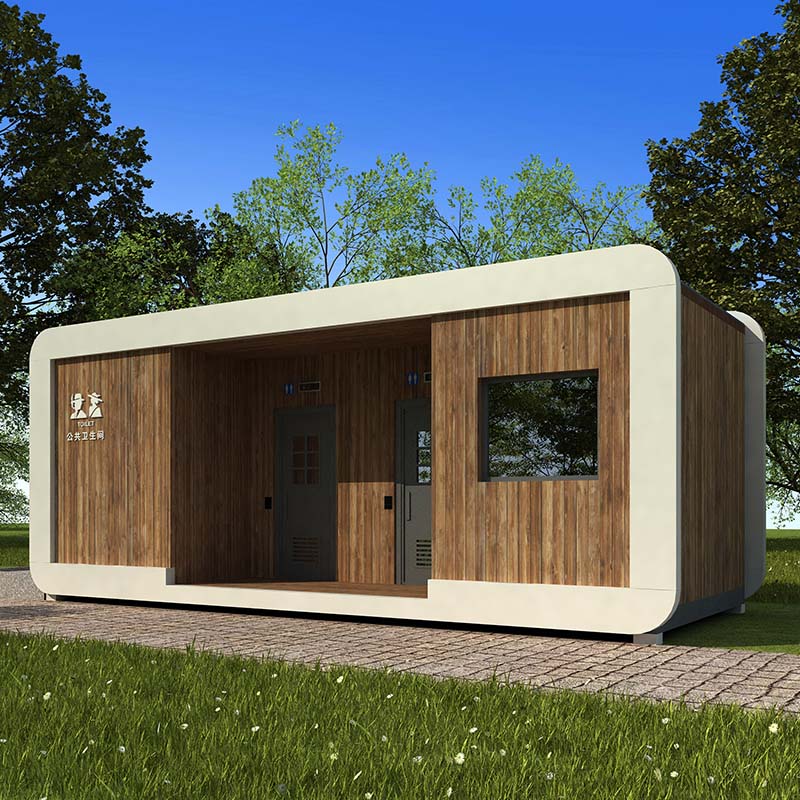
Table of Contents
- Content Outline
- Common Sanitation Pain Points in Outdoor Environments
- What Is an Outdoor Mobile Toilet?
- Typical Application Scenarios
- Key Functional Features Explained
- Outdoor Mobile Toilet vs Fixed Sanitation Facilities
- How to Select the Right Outdoor Mobile Toilet
- Operation and Maintenance Considerations
- Frequently Asked Questions
- Conclusion and Next Steps
Content Outline
- Understanding sanitation challenges in outdoor and temporary sites
- Structural and functional definition of outdoor mobile toilets
- Use cases across industries and environments
- Technical and user-oriented features
- Cost, flexibility, and compliance comparison
- Practical guidance for procurement decisions
- Maintenance, cleaning, and lifecycle management
Common Sanitation Pain Points in Outdoor Environments
Outdoor and temporary sites face consistent sanitation issues that directly affect operations and public perception. These challenges include the absence of water supply, lack of drainage systems, limited space, high user frequency, and strict hygiene expectations. In construction zones, insufficient sanitation may reduce workforce efficiency and violate labor regulations. At public events, poor restroom access can lead to overcrowding, health risks, and negative feedback.
An outdoor mobile toilet is designed specifically to mitigate these constraints by providing a self-contained, relocatable, and easy-to-deploy sanitation unit that functions independently of permanent infrastructure.
What Is an Outdoor Mobile Toilet?
An outdoor mobile toilet is a prefabricated, self-contained restroom unit engineered for temporary or mobile deployment. It integrates waste collection, ventilation, and user privacy within a compact structure. Depending on configuration, it may include fresh water tanks, waste holding tanks, handwashing stations, and anti-slip flooring.
Unlike conventional toilets, these units are designed for rapid installation and relocation, making them suitable for dynamic environments. Manufacturers such as Cymdin focus on structural durability, weather resistance, and ease of transport to meet diverse field requirements.
Typical Application Scenarios
Outdoor mobile toilets are widely used across multiple sectors due to their adaptability. Common scenarios include:
- Construction and infrastructure projects
- Outdoor exhibitions, festivals, and sports events
- Disaster relief and emergency response zones
- Parks, scenic areas, and eco-tourism sites
- Temporary military or field operation bases
Each scenario demands reliable sanitation without long-term construction, making mobility and independence critical advantages.
Key Functional Features Explained
Modern outdoor mobile toilets are engineered with user comfort and operational efficiency in mind. Key features typically include:
| Feature | Practical Benefit |
|---|---|
| Integrated waste holding tank | Allows use without external sewage connections |
| Ventilation system | Reduces odor and improves internal air quality |
| Weather-resistant structure | Ensures durability in rain, heat, and cold |
| Non-slip flooring | Enhances safety in high-traffic conditions |
| Modular design | Simplifies transportation and on-site assembly |
Outdoor Mobile Toilet vs Fixed Sanitation Facilities
Choosing between mobile and fixed sanitation facilities depends on project duration, location, and budget. The following comparison highlights the core differences:
| Aspect | Outdoor Mobile Toilet | Fixed Toilet Facility |
|---|---|---|
| Installation time | Short, often same-day deployment | Long, requires construction work |
| Mobility | Relocatable and reusable | Permanent location |
| Infrastructure dependency | Low | High |
| Initial investment | Controlled and predictable | High construction cost |
How to Select the Right Outdoor Mobile Toilet
Selecting the appropriate outdoor mobile toilet requires evaluation of site conditions and user demands. Key decision factors include:
- Expected daily user volume
- Duration of deployment
- Climate and environmental exposure
- Cleaning and waste disposal frequency
- Local hygiene and safety regulations
A well-matched unit reduces maintenance burden while improving user satisfaction and compliance.
Operation and Maintenance Considerations
Proper operation and maintenance are essential for long-term performance. Regular waste removal, surface cleaning, and ventilation inspection help maintain hygiene standards. Many operators establish scheduled service intervals based on usage intensity. Durable materials and accessible internal layouts simplify maintenance tasks and extend service life.
Frequently Asked Questions
What makes an outdoor mobile toilet suitable for remote areas?
Its self-contained design allows operation without water supply or sewage connections, making it ideal for remote or undeveloped locations.
How often does waste need to be emptied?
The frequency depends on tank capacity and user volume. High-traffic sites may require daily servicing, while low-use areas can operate longer between cleanings.
Can outdoor mobile toilets withstand harsh weather?
Quality units are manufactured with weather-resistant materials designed to perform reliably in varied climates.
Conclusion and Next Steps
An outdoor mobile toilet provides a flexible, efficient, and hygienic solution to sanitation challenges in temporary or infrastructure-limited environments. By addressing mobility, durability, and user comfort, these units support operational continuity and public health across industries. Companies like Cymdin continue to develop practical designs that balance functionality with long-term value.
If you are evaluating sanitation solutions for your next project or event, now is the right time to explore reliable outdoor mobile toilet options. To learn more about specifications, customization, and deployment support, contact us today and discover how the right solution can enhance efficiency and user experience.