Article Summary
Expandable Container House systems represent a new generation of modular construction that combines mobility, efficiency, and scalable living space. This article explains how these structures work, their engineering principles, core benefits, application scenarios, and key considerations for buyers and project developers. It also highlights why companies like Ante House are becoming important contributors in this evolving housing sector.
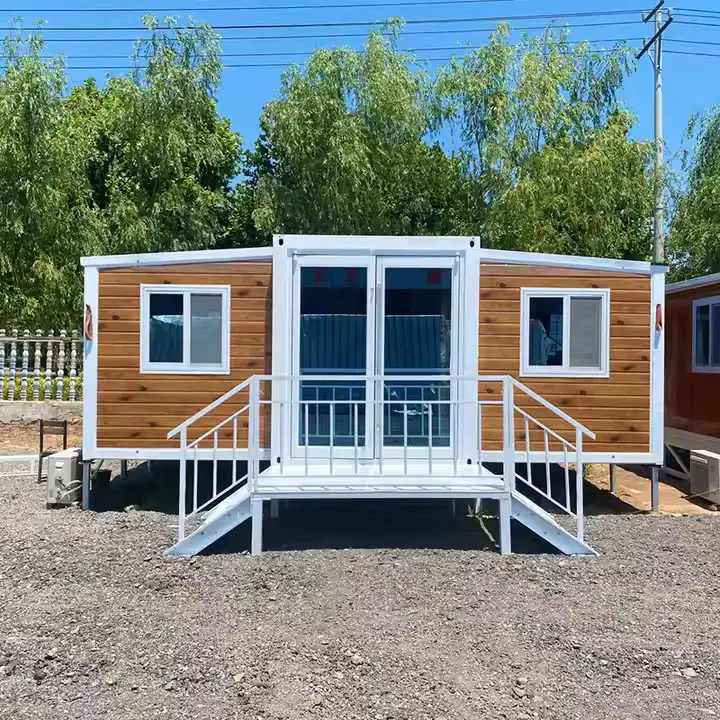
Outline Overview
-
Definition and structural concept of expandable container housing
-
Mechanical expansion and folding system design
-
Materials and engineering framework
-
Use cases across residential, commercial, and emergency sectors
-
Performance advantages and limitations
-
Installation workflow and operational requirements
-
Long-term maintenance and durability considerations
What Is an Expandable Container House?
An Expandable Container House is a prefabricated modular building system designed with foldable or sliding structural wings that extend outward to significantly increase usable interior space. Unlike traditional container housing, which remains fixed in dimension, this system integrates a dynamic expansion mechanism that allows a compact transport size to transform into a full-scale living or working environment upon deployment.
Manufacturers such as Ante House have refined this concept by integrating reinforced steel framing, insulated sandwich panels, and precision hinge systems to ensure both portability and structural stability.
How an Expandable Container House Works
The operational mechanism of an Expandable Container House is based on a modular sliding and unfolding system. During transportation, the structure is compressed into a standard container footprint. Once delivered to site, hydraulic or manual-assisted systems expand the side modules outward.
-
Step 1: Transport Configuration – The house is fully compressed to reduce shipping costs and simplify logistics.
-
Step 2: Positioning – The base unit is placed on a prepared foundation or leveled ground.
-
Step 3: Expansion – Side panels unfold or slide outward using guided rails.
-
Step 4: Locking System Activation – Structural locks secure the expanded sections.
-
Step 5: Interior Connection – Electrical and plumbing systems are connected through pre-installed interfaces.
This mechanism allows a compact 20ft or 40ft container unit to double or even triple its usable floor area within hours.
Key Structural Features
Expandable Container Houses integrate multiple engineering innovations to ensure safety, comfort, and durability:
-
High-strength steel frame: Provides load-bearing stability during both transport and expansion.
-
Thermal insulation panels: Maintain internal temperature efficiency.
-
Weather-resistant sealing system: Prevents water leakage and air infiltration.
-
Modular wiring system: Pre-installed electrical circuits for fast deployment.
-
Reinforced hinge mechanisms: Ensure repeated folding cycles without structural fatigue.
Application Scenarios
Expandable Container Houses are widely adopted across various industries due to their flexibility and mobility.
-
Residential housing: Temporary or permanent homes for families, workers, and remote living.
-
Construction sites: On-site offices and accommodation units.
-
Emergency response: Disaster relief shelters and medical stations.
-
Commercial use: Mobile shops, cafés, and exhibition spaces.
-
Tourism sector: Eco-resorts and modular vacation cabins.
Core Benefits
The rising demand for expandable modular housing is driven by its practical advantages:
-
Space efficiency: Expandable structure maximizes usable area without increasing transport size.
-
Cost reduction: Lower construction and labor expenses compared to traditional buildings.
-
Rapid deployment: Installation can be completed in hours instead of months.
-
Mobility: Easy relocation for dynamic project needs.
-
Environmental adaptability: Suitable for urban, rural, and remote environments.
Companies like Ante House continue to enhance these benefits by optimizing production processes and improving structural efficiency.
Technical Parameters Overview
|
Category
|
Specification Range
|
|
Main Structure
|
Galvanized steel frame
|
|
Wall System
|
EPS / Rock wool sandwich panels
|
|
Expansion Type
|
Hydraulic or manual sliding expansion
|
|
Service Life
|
15–25 years depending on usage
|
|
Wind Resistance
|
Up to level 11–12 wind load
|
|
Customization
|
Interior layout, doors, windows, utilities
|
Installation Process
The installation of an Expandable Container House follows a simplified modular workflow:
-
Site preparation and leveling of foundation
-
Positioning of the container unit
-
Expansion of side modules
-
Structural locking and reinforcement checks
-
Utility connection (electricity, plumbing, HVAC)
-
Interior furnishing and final inspection
This streamlined process significantly reduces project timelines and minimizes dependence on heavy construction machinery.
Buying Considerations
When selecting an Expandable Container House, several factors should be evaluated:
-
Structural quality: Steel thickness and welding precision determine durability.
-
Insulation performance: Critical for energy efficiency in extreme climates.
-
Expansion reliability: Smooth mechanical operation ensures long-term usability.
-
Customization options: Interior layout flexibility for different applications.
-
Supplier credibility: Established manufacturers like Ante House provide better quality assurance and technical support.
Maintenance Guidelines
Proper maintenance ensures long-term performance and structural integrity:
-
Regular inspection of expansion joints and hinges
-
Checking waterproof sealing systems
-
Cleaning drainage channels and roof surfaces
-
Reinforcing anti-corrosion coating on steel components
-
Routine electrical system safety checks
With periodic maintenance, expandable container homes can maintain stable performance across different environmental conditions.
Frequently Asked Questions
Q1: How long does it take to expand an Expandable Container House?
A: Most units can be fully expanded within 1 to 3 hours depending on the mechanism and site conditions.
Q2: Can Expandable Container Houses be used in extreme weather?
A: Yes, high-quality systems are designed with wind-resistant steel frames and insulated panels suitable for harsh environments.
Q3: Are these houses permanently livable?
A: They can be used for both temporary and long-term housing depending on foundation setup, utilities, and maintenance level.
Expandable Container House systems continue to reshape modern construction by offering flexibility, efficiency, and scalability. With advanced engineering and continuous innovation from manufacturers such as Ante House, these modular structures are increasingly recognized as a practical solution for diverse global housing needs.
Contact us at Ante House to explore customized Expandable Container House solutions tailored to your project requirements and start building smarter, faster, and more efficiently.