

How Does a Sentry Box Improve Safety and Operational Efficiency?
2026-01-22
Abstract
A Sentry Box is increasingly recognized as a practical solution for protecting critical electrical, communication, and control components in demanding environments. This article provides a comprehensive overview of how a Sentry Box works, the problems it solves, and why it has become an essential infrastructure element across industrial, commercial, and public applications. By examining structure, functions, installation considerations, and real-world use cases, this guide helps decision-makers clearly understand how to select and deploy the right Sentry Box to enhance safety, reliability, and long-term performance.
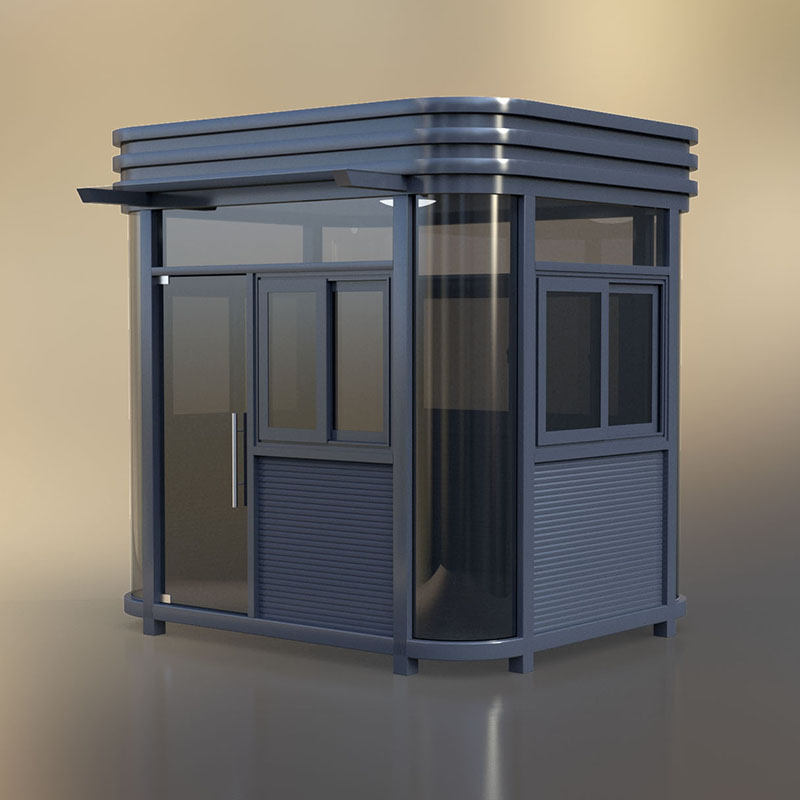
Table of Contents
- Introduction to the Sentry Box
- What Problems Does a Sentry Box Solve?
- Core Structure and Functional Design
- Key Technical Features Explained
- Typical Applications Across Industries
- Installation and Deployment Considerations
- Maintenance and Lifecycle Management
- Comparison Table: Sentry Box vs Traditional Enclosures
- Frequently Asked Questions
- Conclusion and Contact Information
Introduction to the Sentry Box
A Sentry Box is a protective enclosure engineered to safeguard sensitive equipment such as electrical terminals, control modules, communication interfaces, and monitoring devices. Unlike conventional enclosures, it is designed with a strong focus on environmental resistance, physical security, and operational accessibility.
In modern infrastructure projects, equipment is often exposed to weather extremes, unauthorized access, vibration, dust, and moisture. A Sentry Box provides a controlled internal environment that minimizes these risks while maintaining ease of inspection and servicing. Manufacturers such as Cymdin have refined this product category to meet the evolving demands of utilities, transportation systems, industrial plants, and smart city deployments.
What Problems Does a Sentry Box Solve?
Operational failures frequently originate from inadequate protection of critical components. A Sentry Box directly addresses several common pain points faced by operators and project managers:
- Exposure of electrical and control systems to rain, humidity, dust, and corrosive environments
- Risk of vandalism, tampering, or accidental contact
- Disorganized cable routing leading to maintenance inefficiency
- Compliance challenges with safety and infrastructure standards
- Frequent downtime caused by environmental damage or loose connections
By centralizing and protecting sensitive components, a Sentry Box reduces failure rates, improves system stability, and lowers long-term operating costs.
Core Structure and Functional Design
The effectiveness of a Sentry Box lies in its structural design. Each component is engineered to serve a specific protective or functional purpose.
- Enclosure Housing: Typically fabricated from galvanized steel, stainless steel, or reinforced composite materials for durability
- Sealing System: Gaskets and compression locks ensure resistance to water ingress and dust accumulation
- Mounting Base: Designed for ground, wall, or pole installation depending on site conditions
- Internal Layout: Pre-engineered mounting rails, brackets, or plates for organized component placement
- Access Mechanism: Secure doors with locking systems that allow authorized maintenance access
This modular design allows the Sentry Box to adapt to different equipment configurations without compromising protection.
Key Technical Features Explained
Modern Sentry Boxes integrate features that go beyond basic enclosure functionality. These enhancements improve performance and usability in real-world conditions.
- High ingress protection levels to withstand harsh outdoor environments
- Anti-corrosion coatings suitable for coastal or industrial zones
- Ventilation or thermal management options to prevent overheating
- Flexible cable entry systems to maintain sealing integrity
- Compatibility with monitoring sensors or smart control modules
Products developed by Cymdin emphasize balanced engineering, ensuring that protection does not come at the expense of operational convenience.
Typical Applications Across Industries
A Sentry Box is not limited to a single sector. Its versatility makes it suitable for a wide range of applications:
- Power distribution and utility infrastructure
- Transportation systems such as railways and highways
- Industrial automation and process control
- Telecommunications and data transmission networks
- Municipal and smart city installations
In each case, the Sentry Box acts as a reliable interface between critical equipment and challenging external conditions.
Installation and Deployment Considerations
Proper installation is essential to maximize the performance of a Sentry Box. Key considerations include:
- Site assessment to determine environmental exposure and access requirements
- Correct mounting method to ensure structural stability
- Sealing verification after cable entry and component installation
- Clear labeling and internal organization for future maintenance
Planning these factors in advance reduces installation errors and extends service life.
Maintenance and Lifecycle Management
One of the advantages of a well-designed Sentry Box is reduced maintenance effort. Routine inspections typically focus on:
- Checking seals and locking mechanisms
- Inspecting internal connections for wear or corrosion
- Ensuring ventilation paths remain unobstructed
With proper maintenance, a Sentry Box can provide reliable protection over many years, even in demanding environments.
Comparison Table: Sentry Box vs Traditional Enclosures
| Aspect | Sentry Box | Traditional Enclosure |
|---|---|---|
| Environmental Protection | High resistance to moisture, dust, and corrosion | Limited protection in harsh conditions |
| Security | Designed for controlled and secure access | Basic locking or open access |
| Internal Organization | Structured layout for components and cabling | Often unstructured |
| Service Life | Long-term durability | Shorter lifespan |
Frequently Asked Questions
What types of equipment can be installed inside a Sentry Box?
A Sentry Box can house electrical terminals, control units, communication devices, monitoring sensors, and other low- to medium-voltage components.
Is a Sentry Box suitable for outdoor use?
Yes. It is specifically engineered for outdoor environments and can withstand weather exposure when properly installed.
Can a Sentry Box be customized?
Many configurations are available, including size, material, internal layout, and accessory options to match project requirements.
Conclusion and Contact Information
A Sentry Box plays a critical role in protecting essential infrastructure by combining durability, security, and practical design. For organizations seeking to improve system reliability and reduce operational risk, selecting a well-engineered solution is a strategic decision. Cymdin continues to provide Sentry Box solutions that balance robust protection with ease of installation and maintenance.
To learn more about available configurations or to discuss project-specific requirements, contact us today and discover how the right Sentry Box solution can support long-term operational success.