

How Does a Sentry Box Improve On-Site Security?
2026-03-03
Article Summary
A sentry box is a critical infrastructure element for managing on-site security, access control, and personnel protection across construction sites, industrial facilities, residential communities, and public spaces. This comprehensive guide explains how a sentry box functions, what problems it solves, how to select the right configuration, and how it enhances operational efficiency and safety. By understanding design principles, material options, application scenarios, and maintenance considerations, buyers can make informed decisions and maximize long-term value. Cymdin provides professionally engineered sentry box solutions designed to meet real-world security demands.
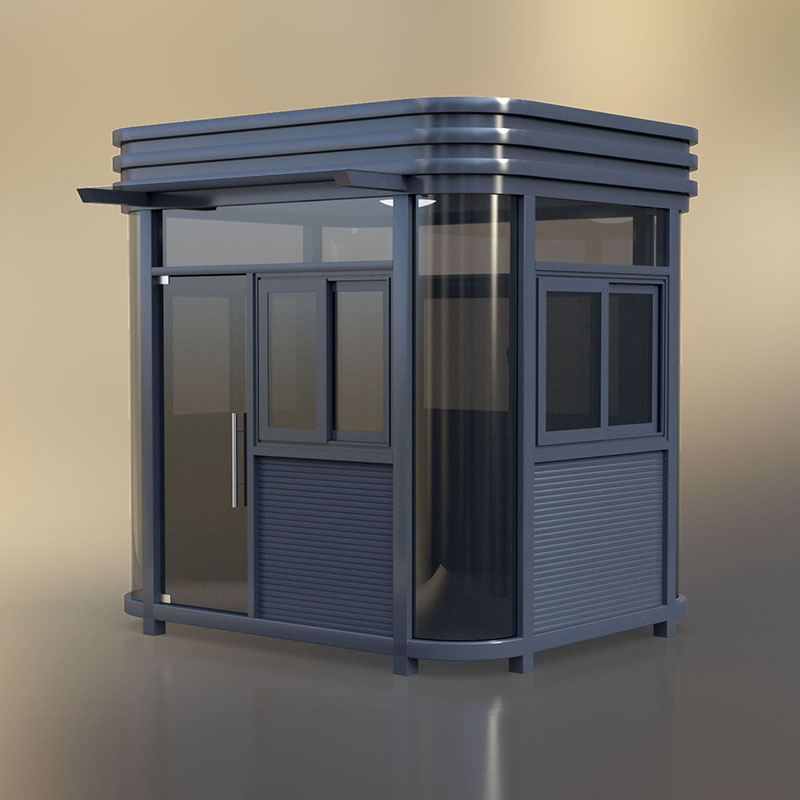
Table of Contents
- Sentry Box Overview
- Customer Pain Points in Site Security
- Core Functions of a Sentry Box
- Structural Design and Materials
- How to Choose the Right Sentry Box
- Sentry Box Configuration Comparison
- Typical Application Scenarios
- Installation and Maintenance
- Frequently Asked Questions
- Conclusion and Contact Us
Sentry Box Overview
A sentry box, sometimes referred to as a guard booth or security cabin, is a compact enclosed structure designed to house security personnel and monitoring equipment at site entrances or key checkpoints. Its primary purpose is to provide a controlled environment for access management, surveillance, and communication.
Modern sentry boxes go beyond simple shelters. They integrate insulation, electrical systems, visibility optimization, and ergonomic layouts to support long working hours in varying weather conditions. Cymdin develops sentry boxes that balance durability, comfort, and functional efficiency to meet diverse operational requirements.
Customer Pain Points in Site Security
Organizations often face recurring challenges when managing on-site security without a proper sentry box solution.
- Exposure of guards to harsh weather conditions
- Lack of centralized access control points
- Inconsistent visitor and vehicle management
- Limited space for security equipment
- Temporary structures with short service life
- High replacement and maintenance costs
A well-designed sentry box directly addresses these issues by providing a stable, secure, and professional security workstation.
Core Functions of a Sentry Box
The effectiveness of a sentry box lies in its ability to support multiple security-related functions within a compact footprint.
- Controlled entry and exit monitoring
- Visitor registration and verification
- Vehicle inspection and access authorization
- Surveillance system housing
- Protection of personnel and equipment
By consolidating these tasks into a single unit, site operators can improve response times and reduce operational complexity.
Structural Design and Materials
Sentry box performance is highly dependent on structural design and material selection. These factors influence durability, comfort, and long-term operating costs.
- Steel or aluminum frames for structural stability
- Insulated wall panels for thermal control
- Tempered glass windows for visibility and safety
- Anti-slip flooring for workplace safety
- Weather-resistant exterior coatings
Cymdin focuses on modular sentry box designs that allow for easy transportation, fast installation, and future upgrades.
How to Choose the Right Sentry Box
Selecting the right sentry box requires evaluating both current needs and future operational plans.
- Site size and traffic volume
- Required internal equipment and furniture
- Climate and environmental conditions
- Power supply and lighting requirements
- Mobility versus permanent installation
A structured selection process ensures that the sentry box supports efficient workflows without unnecessary customization costs.
Sentry Box Configuration Comparison
| Configuration Type | Key Features | Advantages | Typical Use Cases |
|---|---|---|---|
| Standard Sentry Box | Basic insulation, windows, lighting | Cost-effective, fast deployment | Construction sites |
| Enhanced Security Box | Surveillance mounts, reinforced doors | Higher safety level | Industrial facilities |
| Mobile Sentry Box | Forklift pockets, lightweight frame | Easy relocation | Temporary checkpoints |
| Custom Sentry Box | Tailored layout and systems | Optimized workflow | Residential and commercial entrances |
Typical Application Scenarios
Sentry boxes are widely deployed across various industries and environments.
- Construction site entrances
- Residential community security gates
- Industrial park access points
- Parking facilities and logistics centers
- Public infrastructure and events
Installation and Maintenance
Proper installation ensures safety and functionality from day one. Most sentry boxes are designed for quick setup with minimal foundation requirements.
- Level ground preparation
- Electrical and communication connections
- Secure anchoring for wind resistance
- Routine inspection and cleaning
Regular maintenance extends service life and preserves a professional appearance.
Frequently Asked Questions
What is the typical lifespan of a sentry box?
With quality materials and proper maintenance, a sentry box can serve reliably for many years.
Can sentry boxes be customized?
Yes. Layout, size, insulation level, and internal fittings can be tailored to site requirements.
Are sentry boxes suitable for extreme weather?
Insulated designs with proper sealing are suitable for both hot and cold environments.
Is relocation possible after installation?
Many sentry boxes are designed for relocation using forklifts or cranes.
Conclusion and Contact Us
A sentry box is a practical and scalable solution for improving on-site security, operational control, and personnel comfort. By investing in a well-designed structure, organizations can reduce risks, streamline access management, and present a professional image at every entry point.
Cymdin delivers durable, functional, and customizable sentry box solutions tailored to real-world security challenges. If you are planning to upgrade your site security infrastructure or need expert guidance on selecting the right sentry box, contact us today to discuss your requirements and explore how Cymdin can support your project.