

How Do Aluminum Kitchen Cabinets Improve Modern Home Kitchens?
2026-06-17
Abstract
Aluminum kitchen cabinets are rapidly becoming a preferred choice in modern home design due to their durability, moisture resistance, and contemporary aesthetics. Unlike traditional wood-based cabinetry, aluminum systems offer long-term structural stability and are highly resistant to common kitchen issues such as water damage, termites, and warping. This article explores the core advantages, design possibilities, and practical considerations of aluminum kitchen cabinets, with insights into how solutions provided by VSME can address real homeowner pain points and improve kitchen performance and longevity.
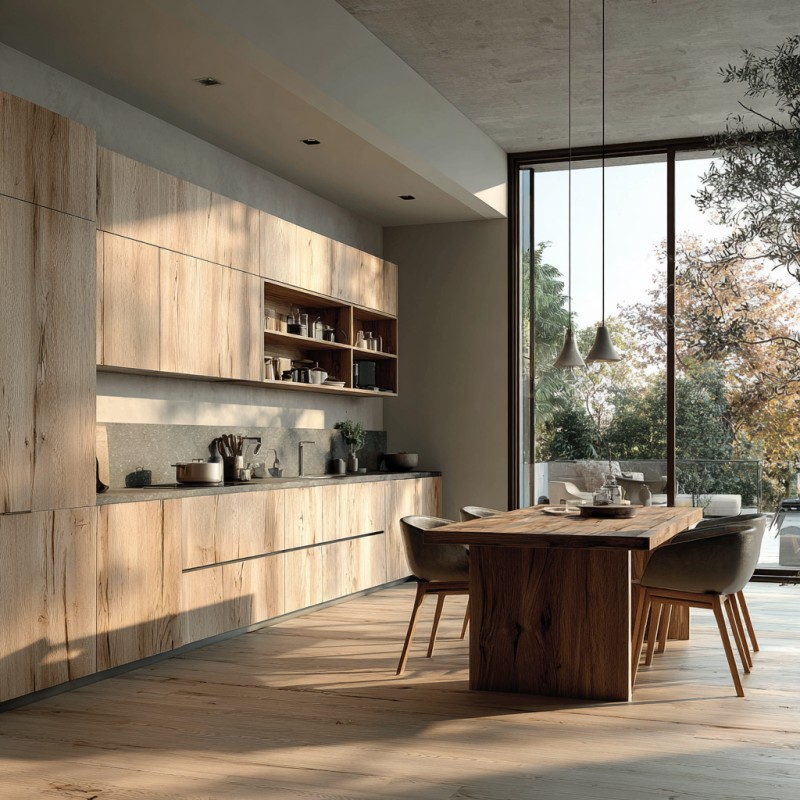
Table of Contents
- 1. Introduction to Aluminum Kitchen Cabinets
- 2. What Are Aluminum Kitchen Cabinets?
- 3. Key Benefits for Modern Homes
- 4. Material Comparison Overview
- 5. Design Flexibility and Aesthetic Options
- 6. Installation Considerations
- 7. Maintenance and Longevity
- 8. Common Kitchen Pain Points Solved
- 9. Why Choose VSME Aluminum Kitchen Cabinets
- 10. Frequently Asked Questions
- 11. Conclusion
1. Introduction to Aluminum Kitchen Cabinets
Modern kitchens demand more than just visual appeal—they require durability, hygiene, and efficient space utilization. Traditional wooden cabinets, while aesthetically familiar, often struggle with humidity, pests, and long-term deformation. Aluminum kitchen cabinets provide a modern engineering-based solution designed to overcome these limitations while maintaining a sleek and customizable appearance.
As urban living spaces become more compact and environmentally conscious, aluminum cabinetry is gaining traction among homeowners, designers, and builders seeking long-lasting kitchen systems that reduce maintenance costs and improve functionality.
2. What Are Aluminum Kitchen Cabinets?
Aluminum kitchen cabinets are modular storage systems constructed primarily from aluminum alloy frames and panels. Unlike wood or MDF-based cabinets, they rely on metal extrusion structures that provide superior rigidity and resistance to environmental stress.
- Frame: Aluminum alloy structure for strength and stability
- Panels: Often aluminum honeycomb, glass, or composite inserts
- Finish: Powder coating, anodizing, or wood-grain transfer
- Hardware: Stainless steel hinges and soft-close systems
3. Key Benefits for Modern Homes
Aluminum kitchen cabinets provide multiple functional and structural advantages that directly address common kitchen challenges.
- Water Resistance: Ideal for humid environments; no swelling or rotting.
- Termite Proof: Unlike wood, aluminum is immune to pest damage.
- Fire Resistance: Offers higher safety compared to flammable materials.
- Hygienic Surface: Non-porous structure prevents bacterial growth.
- Long Service Life: Maintains structural integrity for decades.
These benefits make aluminum cabinetry particularly suitable for coastal regions, high-humidity climates, and high-usage kitchens.
4. Material Comparison Overview
| Feature | Aluminum Cabinets | Wood Cabinets | Stainless Steel Cabinets |
|---|---|---|---|
| Water Resistance | Excellent | Low | Excellent |
| Termite Resistance | Yes | No | Yes |
| Aesthetic Warmth | Medium to High | High | Low to Medium |
| Maintenance | Low | High | Medium |
| Durability | Very High | Medium | Very High |
5. Design Flexibility and Aesthetic Options
One of the most overlooked advantages of aluminum kitchen cabinets is their design adaptability. Modern manufacturing techniques allow aluminum surfaces to replicate natural textures such as wood grain, stone, or matte finishes.
- Minimalist modern designs for urban apartments
- Wood-grain finishes for warm interior styles
- High-gloss surfaces for luxury kitchen aesthetics
- Custom modular layouts for small or irregular spaces
Manufacturers like VSME integrate precision engineering with design flexibility, ensuring that functionality does not compromise visual appeal.
6. Installation Considerations
Installing aluminum kitchen cabinets requires precision measurement and modular assembly. Unlike traditional carpentry-based systems, aluminum cabinets are often prefabricated and assembled on-site.
- Ensure wall leveling before installation
- Use corrosion-resistant fasteners
- Follow modular alignment guidelines
- Integrate plumbing and electrical planning early
Professional installation is recommended to maximize structural integrity and alignment accuracy.
7. Maintenance and Longevity
Aluminum cabinets require minimal maintenance compared to wood-based alternatives. Their non-porous surface prevents absorption of moisture and stains, making cleaning simple and efficient.
- Wipe surfaces with a damp cloth regularly
- Avoid abrasive cleaning tools
- Inspect hinges and sliding systems annually
- Keep ventilation areas dry and unobstructed
With proper care, aluminum kitchen cabinets can maintain performance and appearance for over 20 years.
8. Common Kitchen Pain Points Solved
- Humidity Damage: Eliminates swelling and mold issues common in wooden cabinets.
- Pest Infestation: Fully resistant to termites and insects.
- Frequent Repairs: Reduces long-term maintenance costs significantly.
- Short Lifespan: Provides a long-lasting structural solution.
- Cleaning Difficulty: Smooth surfaces simplify hygiene management.
These improvements make aluminum cabinets a strategic investment for homeowners seeking durability and efficiency.
9. Why Choose VSME Aluminum Kitchen Cabinets
VSME specializes in high-quality aluminum kitchen cabinet systems designed for modern residential and commercial applications. Their product line focuses on structural precision, corrosion resistance, and customizable design solutions.
- Advanced aluminum alloy materials for superior durability
- Flexible modular configurations for different kitchen layouts
- Eco-conscious manufacturing processes
- Wide range of finishes and design options
- Reliable long-term performance with minimal upkeep
By combining engineering precision with user-centered design, VSME delivers cabinetry systems that meet both aesthetic and functional expectations in modern living environments.
10. Frequently Asked Questions
Q1: Are aluminum kitchen cabinets better than wood?
A: In terms of durability, moisture resistance, and lifespan, aluminum cabinets generally outperform wood. However, wood may offer more traditional aesthetic warmth.
Q2: Do aluminum cabinets rust?
A: High-quality aluminum alloys used in kitchen cabinets are corrosion-resistant and do not rust under normal kitchen conditions.
Q3: Can aluminum cabinets be customized?
A: Yes, they are highly customizable in terms of color, texture, layout, and size.
Q4: Are they suitable for all climates?
A: Yes, especially in humid and coastal regions where wood cabinets are prone to damage.
Q5: How long do aluminum kitchen cabinets last?
A: With proper maintenance, they can last 15–30 years or more.
11. Conclusion
Aluminum kitchen cabinets represent a significant advancement in modern kitchen design, offering a balance of durability, hygiene, and aesthetic flexibility. They solve many of the long-standing issues associated with traditional materials while introducing a future-ready approach to kitchen construction.
With industry providers like VSME, homeowners can access engineered cabinetry solutions that enhance both functionality and design value. As kitchens continue to evolve into multi-functional living spaces, aluminum systems are positioned to become a foundational standard in modern interior architecture.
For tailored kitchen solutions and professional consultation, contact us today to explore how VSME aluminum kitchen cabinets can transform your space.