

How Can Industrial Modular Housing Transform Modern Construction?
2026-01-15
Summary: Industrial modular housing is revolutionizing construction by offering a fast, sustainable, and cost-effective alternative to traditional building methods. This article explores the benefits, design options, applications, and installation processes, providing valuable insights for businesses and developers seeking flexible and environmentally responsible housing solutions.
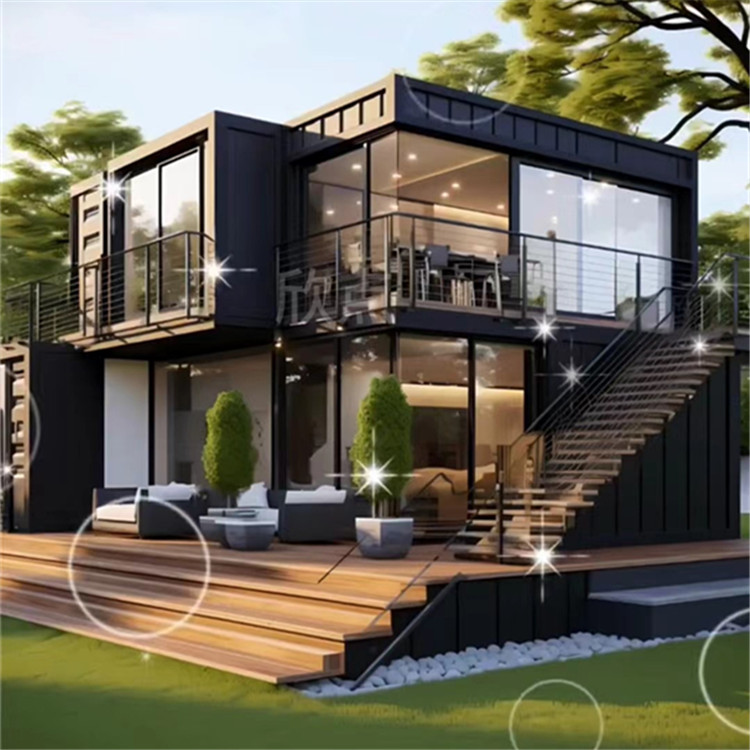
Table of Contents
- What is Industrial Modular Housing?
- Key Benefits for Businesses and Developers
- Types and Applications
- Design and Customization Options
- Installation and Maintenance Process
- Frequently Asked Questions
- Contact Us
What is Industrial Modular Housing?
Industrial modular housing refers to prefabricated structures built off-site and then transported to the construction location. These modular units are assembled using advanced construction techniques, ensuring safety, durability, and environmental sustainability. Unlike traditional construction, modular housing offers flexibility in design, speed in assembly, and the ability to relocate or expand as needed.
Key characteristics include:
- Prefabricated modules constructed in a factory setting
- Rapid on-site assembly
- Reusability and relocatability
- Compliance with safety and environmental standards
Key Benefits for Businesses and Developers
Industrial modular housing provides significant advantages over traditional construction, addressing common pain points such as long construction timelines, high labor costs, and environmental impact.
| Benefit | Description |
|---|---|
| Time Efficiency | Construction time is reduced by up to two-thirds, allowing businesses to occupy buildings faster. |
| Cost Savings | Prefabrication lowers labor and material costs while minimizing waste. |
| Environmental Sustainability | Modular housing produces minimal pollution, uses less water, and can be fully recycled. |
| Flexibility | Units can be expanded, relocated, or repurposed to meet evolving operational needs. |
| Durability | Modules are designed to be fireproof, earthquake-resistant, and weather-resistant. |
Types and Applications
Industrial modular housing comes in a variety of formats, each suited to specific commercial, industrial, or residential needs.
- Prefabricated Mobile Units: Ideal for temporary offices, construction site accommodations, and event facilities.
- Stylish Modular Buildings: Used for retail shops, cafes, and display centers, combining functionality with aesthetic appeal.
- Industrial Production Units: Customizable factory spaces that can expand or contract as production requirements change.
- Special Purpose Housing: Designed for hospitals, schools, or emergency shelters, providing rapid deployment and robust safety standards.
Design and Customization Options
Modern modular housing allows for diverse design choices tailored to operational needs and environmental conditions. Companies like Cymdin provide modular solutions with the following features:
- Modular unit sizes and layouts customizable to client requirements
- Exterior finishes in metal, composite panels, or wood for aesthetic versatility
- Interior options including partition walls, HVAC systems, and soundproofing
- Integration of sustainable energy solutions, such as solar panels or rainwater collection systems
With these options, businesses can create functional, visually appealing spaces while maintaining a low environmental footprint.
Installation and Maintenance Process
Industrial modular housing is designed for easy transport and assembly. The general process includes:
- Site Preparation: Foundation and utilities are prepared at the installation site.
- Module Delivery: Prefabricated units are transported and positioned using cranes or forklifts.
- On-Site Assembly: Modules are connected, secured, and integrated with electrical, plumbing, and HVAC systems.
- Finishing Touches: Interior and exterior finishing, inspections, and certifications are completed.
- Maintenance: Modular buildings are low-maintenance, with the ability to replace or upgrade modules without disrupting operations.
Frequently Asked Questions
Q1: How long does it take to install an industrial modular building?
A1: Installation can be completed in weeks rather than months, significantly faster than traditional construction.
Q2: Are modular buildings environmentally friendly?
A2: Yes, they reduce construction waste, require minimal water, and are designed to be fully recyclable.
Q3: Can industrial modular housing be customized?
A3: Absolutely. Modular units can be tailored in size, layout, and design to meet specific business needs.
Q4: Are modular buildings durable in harsh conditions?
A4: Yes, they are engineered to be fire-resistant, earthquake-resistant, and withstand extreme weather conditions.
Contact Us
For businesses seeking efficient, flexible, and sustainable construction solutions, Cymdin offers high-quality industrial modular housing. Reach out to our team today to explore custom options, request a quote, or schedule a consultation. Contact us and discover how modular housing can transform your operations.