

Window Coverings Solution to Elevate Your Home's Comfort and Style
2026-09-15
Window coverings rarely get the attention they deserve. They're often picked last, matched to paint swatches, and expected to just fade into the background. Yet the difference between a room that feels chaotic and one that feels calm often comes down to how light is managed. That's where ROLLERGY enters the picture—not with another generic blind, but with a range of solutions designed to control glare, insulate against temperature swings, and add a tailored finish to any space. If you've been living with harsh afternoon sun or dated curtains, this is your sign to rethink what's on your windows. The right choice can elevate both comfort and style more than you'd expect.
Layered Light, Lived-In Comfort
Lighting a room with a single overhead fixture feels like reading a book under a spotlight — flat, a little harsh, and quick to tire the eyes. Layering light changes the room's mood without changing a single piece of furniture. A low floor lamp tucked beside a worn armchair softens the corners, while a small task lamp on the sideboard pulls focus to the wood grain and the stack of novels left there. When evening comes, switching off the ceiling light and letting these smaller pools of warm light take over makes the space feel less like a stage and more like a place that has been lived in for years.
Comfort, the lived-in kind, rarely comes from crisp perfection. It comes from textures that forgive a spill, a throw that has been folded and refolded, and cushions that remember the shape of someone sinking into them. Pair those with light that can be adjusted — a dimmer here, a shaded bulb there — and the room starts to breathe. It invites you to stay longer, to leave the dishes for a while, to let the evening stretch out without rushing toward anything. That is the difference between a showroom and a home.
A Style Statement for Every Window
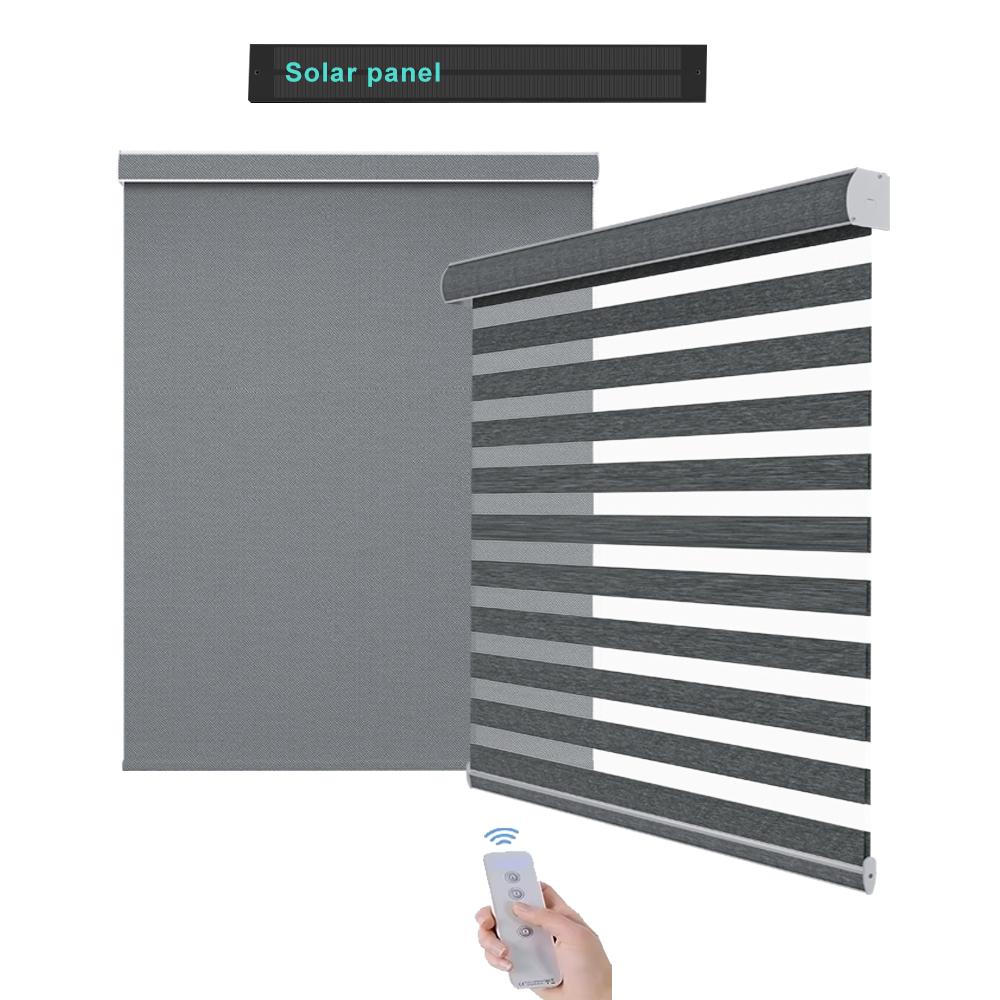
Windows rarely get the attention they deserve, yet they quietly define how a room feels. A bare pane can make even a well-furnished space seem unfinished, while the right curtain or shade pulls everything together. Think of window treatments not as an afterthought, but as the finishing touch that ties light, privacy, and color into one coherent look.
The beauty is in the details you choose. Sheer linen lets sunlight drift in softly, turning harsh afternoon glare into a gentle glow. Heavy velvet, on the other hand, adds weight and warmth, perfect for rooms meant for evening conversation. The hardware matters too—thin brass rods lend a vintage charm, while matte black brackets feel crisp and modern. Even the way fabric pools on the floor or stops just at the sill says something about the room's character.
Layering gives you even more control. A simple roller blind paired with floor-length drapes can shift from bright and open to cozy and private with one motion. And because changing curtains is far easier than repainting walls, they become the easiest way to refresh a space when seasons or tastes shift. A well-dressed window doesn't just frame the view—it becomes part of it.
Privacy Without Compromise
Most products ask you to trade privacy for convenience, but that trade-off has never been necessary. Every feature can be built so that your data stays on your device unless you explicitly choose to share it. We process what’s needed locally, strip identifiers from logs by default, and avoid retaining anything that could paint a picture of your habits. The result feels seamless, not stripped down.
Behind the scenes, encryption covers data both in transit and at rest, with keys that remain in your hands. You can verify what the software collects because the code is open for inspection, and you can revoke permissions without losing core functionality. Privacy here isn’t a mode you switch on; it’s the foundation the rest of the experience is built on.
The Gentle Efficiency of Good Design
Good design rarely announces itself. It works quietly, removing friction before you even notice the friction existed. A well-placed button, a clear hierarchy, a subtle affordance—these things don't demand attention. They simply make the experience feel effortless, as if the product were reading your mind. That quiet competence is efficiency at its most humane: not speed for the sake of speed, but a kind of grace that respects your time and attention without making a show of it.
This gentle efficiency often hides in the details. The way a form remembers your information, the way a navigation menu collapses at just the right moment, the way error messages guide rather than scold. None of these moments feel dramatic, but together they shape how you feel about a product. You don't think, "What a great interface." You simply accomplish what you came to do and move on, carrying a faint sense that everything worked as it should.
The best examples of this principle don't try to impress you. They don't use flashy animations or clever copy to draw attention to themselves. Instead, they disappear into the background, leaving only the satisfaction of a task completed without friction. That is the gentle efficiency of good design: not a feature to be praised, but a baseline of respect for the person on the other side of the screen.
Daylight, On Your Terms
Most spaces treat daylight as a fixed condition—too bright by noon, gone by five. But when you can tune the temperature, angle, and intensity, the room starts working around your habits instead of the other way around. Morning reading feels softer, late-afternoon focus holds steady, and the glare that used to chase you off the couch simply stops showing up.
The point isn't more light. It's the right light at the right moment. Warm pools near the armchair, crisp beams over the kitchen counter, a dimmed edge for winding down—all adjustable without pulling out a manual or fiddling with a wall panel. You set the mood once, and the space remembers.
That's what makes the difference between a room you walk through and one you actually settle into. Daylight stops being a schedule and starts being a setting—yours to bend, shift, and shape as the hours change.
The Modern Home's Quiet Upgrade
Walk through a newly built house these days and you might notice something missing: the hum of the refrigerator, the rattle of the HVAC, the low buzz of recessed lights. In their place is a kind of acoustic softness that feels less like emptiness and more like intention. Materials absorb rather than reflect. Motors spin at frequencies below our awareness. The quiet isn't just an absence of noise—it's a layer of design, engineered into the walls, floors, and appliances with the same care once reserved for finishes and fixtures.
This shift didn't happen by accident. Homeowners started asking different questions: not just how a kitchen looks, but how it sounds when the dishwasher is running three feet from the dining table. Builders responded with dense insulation, triple-glazed windows, and mechanical systems tucked away in sound-isolated closets. Even the smallest upgrades—soft-close drawers, rubber-mounted fans, solid-core doors—chip away at the constant low-grade noise that used to define domestic life. The result is a home that doesn't shout its modernity, but whispers it.
The appeal goes deeper than comfort. In a world where screens demand attention and cities never sleep, a quiet house becomes a rare luxury, a place where the mind can settle. It's not about silence for its own sake, but about removing the friction of unnecessary sound. When you can hear your own footsteps on a wood floor or the faint click of a light switch, the house feels more present, more deliberate. The modern home's quiet upgrade isn't a feature you can photograph—it's one you feel every time you close the front door.
FAQ
Start with texture. Layer soft linen curtains over woven bamboo shades to add depth, and choose warm neutral tones rather than stark white. Even switching from metal blinds to fabric roman shades can soften the entire feel of a room instantly.
Curtains usually frame the window and soften light, but they rarely block it completely unless lined. Shades sit closer to the glass and offer cleaner light control, especially cellular or roller styles. Blinds give you the most precise adjustment with slats, so you can tilt them for privacy while still letting daylight through.
Yes, especially cellular shades with honeycomb pockets that trap air and reduce heat transfer. In summer, closing them during peak sun hours keeps rooms cooler; in winter, they add an extra insulation layer. Look for options labeled as insulating or blackout if temperature control is your priority.
Try floor-to-ceiling sheer curtains paired with minimal roller shades underneath. The sheer fabric adds softness while the roller shade handles privacy. Avoid heavy valances or overly ornate hardware, and stick with natural materials like linen or light woods to keep the room inviting.
Decide first whether you want an inside or outside mount. For inside mounts, measure the width at the top, middle, and bottom of the frame, then use the narrowest measurement. For height, measure from the top of the opening to the sill in three places and use the longest. For outside mounts, add at least two to three inches on each side and above the frame to block light gaps.
Faux wood blinds resist moisture and wipe clean easily, and they come in realistic wood-grain finishes. Roller shades with a smooth vinyl or coated fabric also need just a quick dust or damp cloth. Skip heavily textured fabrics if you want to avoid frequent vacuuming.
Start with a functional base like a blackout roller shade or simple blind, then add decorative curtains on top. The base handles privacy and light control, while the curtains add color and softness. Use a double curtain rod so the layers move independently, and let the outer curtains extend beyond the window frame to make the window look larger.
You can mount a woven shade on a blank wall as a textural headboard, or use a decorative curtain panel to hide an open closet or laundry area. Even a short valance can become a stylish cover for an ugly utility shelf. This works best with lighter materials that won't overwhelm the space.
Conclusion
The right window coverings do more than just dress a window; they reshape how a room feels throughout the day. Layering sheer curtains with heavier drapes lets you shift from bright, open mornings to cozy, dim evenings without sacrificing a lived-in warmth. This approach isn't about rigid decor rules—it's about letting light fall where you want it, when you want it. Every window becomes a style statement too: from clean-lined roller shades in a minimal loft to softly pleated roman blinds in a cottage bedroom, the choice of texture, pattern, and hardware quietly defines the room's character. And privacy doesn't have to mean shutting the world out. Frosted films, top-down bottom-up shades, and woven woods give you seclusion while still welcoming daylight, so you never feel boxed in.
Good design works gently behind the scenes. Well-fitted cellular shades trap air in their honeycomb pockets, helping keep rooms cooler in summer and warmer in winter without any visible machinery or noise. That quiet efficiency pairs naturally with daylight control that puts you in charge—adjust a single blind to cut glare on a screen, or tilt a set of louvers to bounce sunlight toward the ceiling. This is the modern home's quiet upgrade: not a flashy renovation, but a series of small, thoughtful choices that make daily life easier. You wake to soft filtered light instead of harsh beams, work at a desk without squinting, and settle into evening with privacy restored. In the end, window coverings aren't an afterthought; they're a functional layer of comfort that lifts the entire room.
Contact Us
Contact Person: Vivien Cheng
Email: [email protected]
Tel/WhatsApp: +86 13751758835
Website: https://www.rollergytech.com/