

Silicon Carbide Ceramic Factory: A Behind-the-Scenes Look at Advanced Material Production
2026-10-06
Most people never see the inside of a silicon carbide ceramic factory. That's a shame, because the whole process—mixing submicron powder, pressing it under tons of force, firing it at 2,000°C—is where advanced materials stop being lab curiosities and start becoming real products. At HUAYI TECH, we've opened our production floor for this behind-the-scenes look. You'll see what actually happens between raw silicon carbide and finished wear-resistant plates, semiconductor components, and kiln furniture. No stock photos, no jargon—just the gritty, precise work that makes this material worth its cost.
Powder In, Precision Out: The Unseen First Step
Before any blade touches metal or any mold closes with a hiss of hydraulics, there is a quieter ritual: the measuring of powder. It happens in hoppers and feed lines, in the half-light of early morning shifts when the factory still hums with the memory of yesterday's heat. A scoop, a scale, a tap on the side of a stainless funnel—these small acts carry the weight of everything that follows. If the powder is wrong, no downstream precision can save the part.
This first step is often ignored because it leaves no visible trace in the finished product. You cannot point to the final surface finish or the tolerance held to a micron and say, "This began with a particular grain size and a particular pour." But the old hands know: the way powder flows into a die cavity predicts the density gradient, the shadow of a crack, the slight warpage that appears only after sintering. They watch the stream, listen for clumping, feel the temperature with the back of a hand pressed near the chute.
Precision, then, is not a property of the final machine but a habit formed at the loading dock. A scale that drifts by a gram, a supplier who switches particle morphology without a word, a skip in the blending cycle—these are the hidden variables. The unseen first step is where the operator's judgment lives: not in grand gestures, but in the pause before pressing start, the second glance at the powder level, the quiet correction that no one writes down because it seems too small to matter.
The Sintering Gamble: Heat, Time, and a Bit of Luck
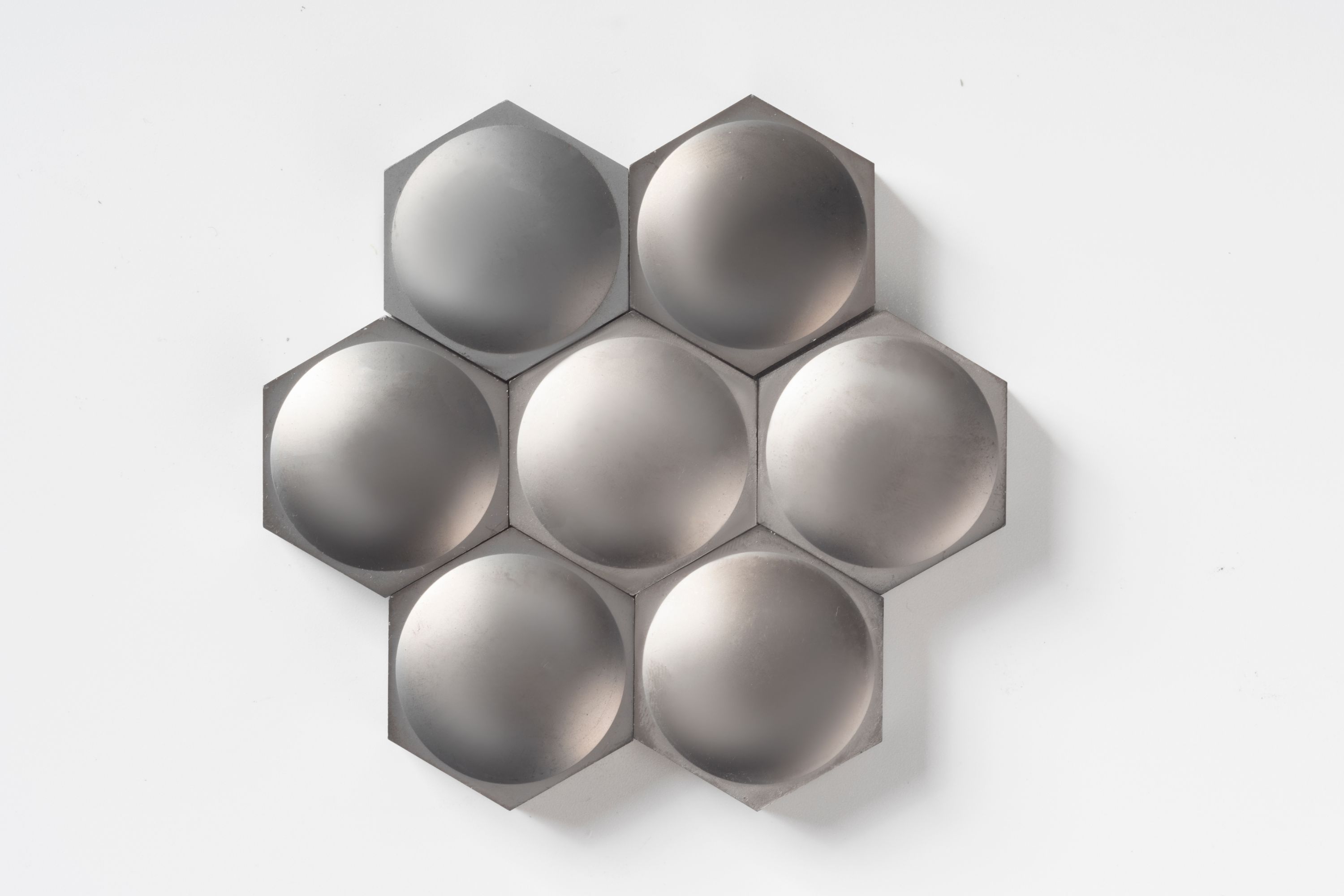
Every kiln cycle feels like placing a bet. You can chart the ramp rates, hold the soak, and log the cooling curve, but the final density and grain growth never quite match the simulation. Some runs come out dense and translucent; others hide microcracks that only show up under a microscope. That unpredictability is what makes sintering feel less like engineering and more like coaxing a stubborn material into cooperation.
Heat and time are the two levers you pull, but they're connected in ways that punish greed. Push the temperature too aggressively and you might shave minutes off the cycle while watching grains balloon and edges slump. Hold back too much and the part stays porous, weak at the seams. Then there's the quiet lottery of powder lot variations, thermocouple drift, and the exact spot on the shelf where the airflow decided to misbehave.
Luck doesn't mean pure chance, though. It arrives as a trained instinct—knowing when a faint color shift in the heating elements calls for an extra fifteen minutes, or sensing that a batch of powder feels different before it ever goes into the die. Over time, you learn to stack the odds: adjusting the atmosphere, tweaking the binder burnout, accepting that every run is an experiment with no guaranteed outcome. That's the gamble, and it's why the successes stick with you.
Cracks Don't Lie: The Inspection Station
At the inspection station, the first thing you notice isn't the machinery or the clipboard checklists. It's the light—angled low and unforgiving across every surface that rolls through. Cracks don't hide in that kind of light. They show up as thin, dark lines that interrupt otherwise clean metal and composite. Some are cosmetic, the kind that come from a rock chip or a bad batch of paint. But others run deeper, branching like dry riverbeds, and those are the ones that get a second look.
The inspectors here don't rely on guesswork. They use dye penetrant and ultrasonic probes because a crack that starts as a hairline can turn into a structural failure without warning. Every mark gets measured, photographed, and logged. If a crack falls within tolerance, it's noted and monitored. If it doesn't, that part doesn't leave the station. There's no negotiating with a crack that has already made up its mind about where it's going.
What makes this place different is the patience. Nobody rushes a decision when the evidence is written into the material itself. A crack isn't a flaw to be argued away; it's a message about stress, fatigue, or impact. The station simply translates that message into a yes or a no. And when the answer is no, the part gets pulled aside quietly—no drama, just a tag and a reason. Cracks don't lie, and neither does the paperwork that follows them.
Not Just for Bulletproof Vests: Surprising Uses
Most people associate Kevlar with body armor, but this fiber quietly shows up in places you'd never expect. Drumheads, for instance, often use a single layer of Kevlar to handle the relentless pounding from sticks and mallets — it stays tight, resists tearing, and lets drummers play harder without worrying about ripping through the head mid-show. The same toughness makes it ideal for high-end racing sails, where a sudden gust can put thousands of pounds of force on the fabric. Sailmakers blend Kevlar with carbon or polyester to keep the sail shape stable, so boats slice through chop instead of stretching and losing power.
Then there are the everyday objects that borrow Kevlar's strength quietly. Quality hiking boots and work gloves weave it into high-wear zones like toe caps and palm patches. Unlike steel mesh, Kevlar won't rust or scuff floors, and it bends with your hand instead of fighting it. Some phone cases and laptop sleeves now include a thin Kevlar sheet — not for bullet resistance, but because it stops sharp keys or pens from puncturing the fabric while adding almost no bulk. Even high-end earbud cables use Kevlar strands inside the rubber jacket, so they survive being yanked out of pockets dozens of times a day without the internal wires snapping.
In performance sports, Kevlar shows up where heat and abrasion would destroy ordinary synthetics. Motorcycle jeans, for example, have Kevlar panels stitched behind the denim at the knees and hips — riders hit the pavement, the denim shreds, but the Kevlar holds long enough to prevent road rash. Competitive kite lines use Kevlar cores because a broken line at 40 miles per hour means a lost kite or, worse, a snapped line whipping back toward the flyer. Even some high-performance tennis strings mix Kevlar with softer synthetics, giving string-breakers a longer-lasting bed without completely sacrificing feel. It's the same fiber that stops a bullet, just applied to problems where failure would ruin your day rather than end your life.
The Smell of Hot Ceramic: A Walk Through the Plant
Walking past the kiln room, the first thing that hits you is that dry, almost mineral heat—like sun-baked stone but sharper, with a faint sweetness from the glaze chemicals still settling into the clay. It’s not exactly burning; it’s more like the air itself has been toasted and left to cool just enough to breathe without flinching. The deeper you go, the hotter the ceramic bodies feel under your palm when you brush a hand over a freshly unloaded rack.
There's also a dusty undernote, raw clay and alumina, mixed with the slight sting of hot metal from the kiln frame. The smell clings to your clothes for hours, not unpleasant, but distinct—like you've walked through a room where stone was melted and reshaped. Even the mugs and plates on the cooling cart give off their own quiet warmth, a faint aroma of fired earth that fades only after they've fully returned to room temperature.
Chasing Zero Defects: The Never-Ending Tweak
Zero defects sounds like a finish line, but anyone who has worked in manufacturing or software knows it is more of a moving target. The moment you lock down one process, a new variable slips in: a supplier changes a material, a machine drifts out of tolerance, a customer uses the product in a way nobody predicted. The tweak is never really finished because the world keeps shifting under your feet. That is not a failure of quality control; it is the basic condition of making anything that matters.
What separates teams that actually get close to zero from those that just talk about it is not a magic tool or a perfect audit. It is a habit of treating every small deviation as a clue, not an annoyance. A scratch on a housing, a lag in a response time, a label printed half a millimeter off — each one is a signal that the system has drifted. The never-ending tweak means you stop waiting for a big failure to force a change. You adjust the jig, rewrite the check, re-train the operator, and then you watch for the next faint signal.
This can feel exhausting, which is why so many organizations slip back into firefighting mode. But the alternative is worse: a culture where “good enough” quietly becomes the standard, and then one day a customer finds the defect you stopped chasing. The never-ending tweak is really an attitude — a refusal to mistake stability for perfection. You celebrate the wins, but you do not frame the certificate. You keep the torque wrench calibrated, keep the test suite running, and keep asking what changed since yesterday. Because something always has.
FAQ
We start with high-purity silicon carbide powder, often blended with sintering aids like boron carbide or carbon. The powders are milled to a tight particle size distribution and mixed with a temporary binder so they can be pressed into near-net shapes before firing.
Most components go through pressureless sintering or hot pressing at temperatures above 2000°C. That heat, combined with a carefully controlled atmosphere, allows the grains to bond without leaving porosity, which is what gives the final ceramic its hardness and wear resistance.
After sintering, the parts are too hard for conventional cutting tools, so we use diamond grinding and lapping to hit final tolerances. Each batch is inspected with ultrasonic testing or dye penetrant to catch any microcracks before it leaves the floor.
You'll find our parts in mechanical seals, pump bearings, armor plates, and semiconductor wafer handling equipment. The common thread is that they need a material that won't deform under heat, resists chemical attack, and keeps working after metals would fail.
The kilns run on a carefully staged cycle to avoid wasting heat, and scrap from machining is collected for recycling back into lower-grade abrasives. Dust control is strict because silicon carbide powder is a respiratory hazard, so the plant uses closed-loop air filtration.
This isn't a push-button operation. Technicians need to read furnace curves, understand powder compaction behavior, and judge when a grinding wheel is dulling by sound. Many of our senior staff trained for years in traditional ceramics before moving to advanced materials.
A morning might start with checking the green body density from yesterday's pressing, then loading a kiln, then adjusting a diamond grinder for a batch of seal rings. By afternoon you might be doing failure analysis on a part that cracked during sintering, so the work stays varied.
Because once a part is sintered, you can't rework it like a metal casting. A tiny flaw in the pressed powder becomes a crack after firing, so we monitor everything upstream, from powder moisture to binder burnout rate, to avoid scrapping a full furnace load.
Conclusion
The first thing you notice inside a silicon carbide ceramic factory is that nothing about the raw powder suggests the brutal toughness of the finished parts. Workers in respirators weigh out submicron grit with the kind of care usually reserved for pharmaceuticals. Even a tiny variation in particle size or moisture changes how the compact behaves later, so the mixing and pressing stations run on checklists that feel almost paranoid. From there, the green bodies roll into massive sintering furnaces where the real uncertainty begins. Heat and time are set by the book, but every batch still carries a faint gamble—too little heat and the part stays weak, too much and it warps or fuses to the shelf. When the doors open, the room smells of hot ceramic and burnt atmosphere, a dry, acrid note that clings to your clothes. Then comes inspection. A worker taps each piece with a small mallet; a dull thud means trouble. Ultrasonic scans and dye penetrants catch what the ear misses. Cracks really don't lie.
Silicon carbide is often associated with armor plates and bulletproof vests, but the factory's output feeds much stranger industries. The same material shows up in wafer-handling arms inside chip fabs, mechanical seals in chemical pumps, and even burner nozzles in power plants. Walking the plant floor, you pass bins of rings, tubes, and oddly shaped blocks destined for places that never advertise their use. In the final area, engineers huddle over spreadsheets and broken samples, tweaking binder percentages or cooling ramps by fractions of a percent. Zero defects is the stated goal, but everyone knows the process is a moving target. Raw materials drift, kiln elements age, humidity sneaks in. So the tweaking never really stops. Each morning brings a new data point, a new adjustment, and another load of powder waiting to become something far harder than it has any right to be.
Contact Us
Contact Person: Junting Leo
Email: [email protected]
Tel/WhatsApp: +86 18615009766
Website: https://www.huayimaterial-china.com/