

Custom Dry Shampoo Spray Distributor Partnerships That Grow Your Beauty Brand
2026-10-02
Scaling a beauty brand isn't just about the formula—it's about who gets it onto shelves. For custom dry shampoo sprays, that means finding distributor partners who understand your unique blends and your growth targets. At Wilson, we've seen firsthand how the right distribution network turns a niche product into a shelf staple. Here's what to look for before you sign.
Skip the National Distributor, Start With Regional Salon Suppliers
When you're just getting your salon product line off the ground, it's tempting to chase the big national distributors right away. But those giants often demand high minimum orders, lengthy payment terms, and a level of polish that can crush a small brand before it finds its footing. Regional salon suppliers, on the other hand, tend to be more flexible. They know their local stylists by name, understand what moves off the shelves in their specific market, and are more willing to take a chance on a newcomer with a solid story and a decent sample kit.
Starting local also gives you faster feedback loops. A regional supplier can tell you within a week if your shampoo's scent is too strong for their clientele or if your travel-size bottles are a no-go for their salon chairs. You can tweak formulas, adjust packaging, and re-pitch without burning through months of national distribution pipelines. Plus, those early regional wins become your best sales ammunition. Every small order you fill for a salon supply house in one state is a reference point when you eventually walk into a national player's office.
Don't think of regional suppliers as a stepping stone you'll outgrow—treat them as your foundation. Build a network of five or six strong regional distributors across different territories, keep their shelves stocked, and show up at their local trade shows. That kind of grassroots presence is harder for big brands to fake, and it gives you staying power when trends shift. The national distributors will still be there later, but by then you'll have the sales data and the loyal salon base to negotiate from strength instead of desperation.
Negotiate Custom Formulations With Your Distributor's Top Accounts
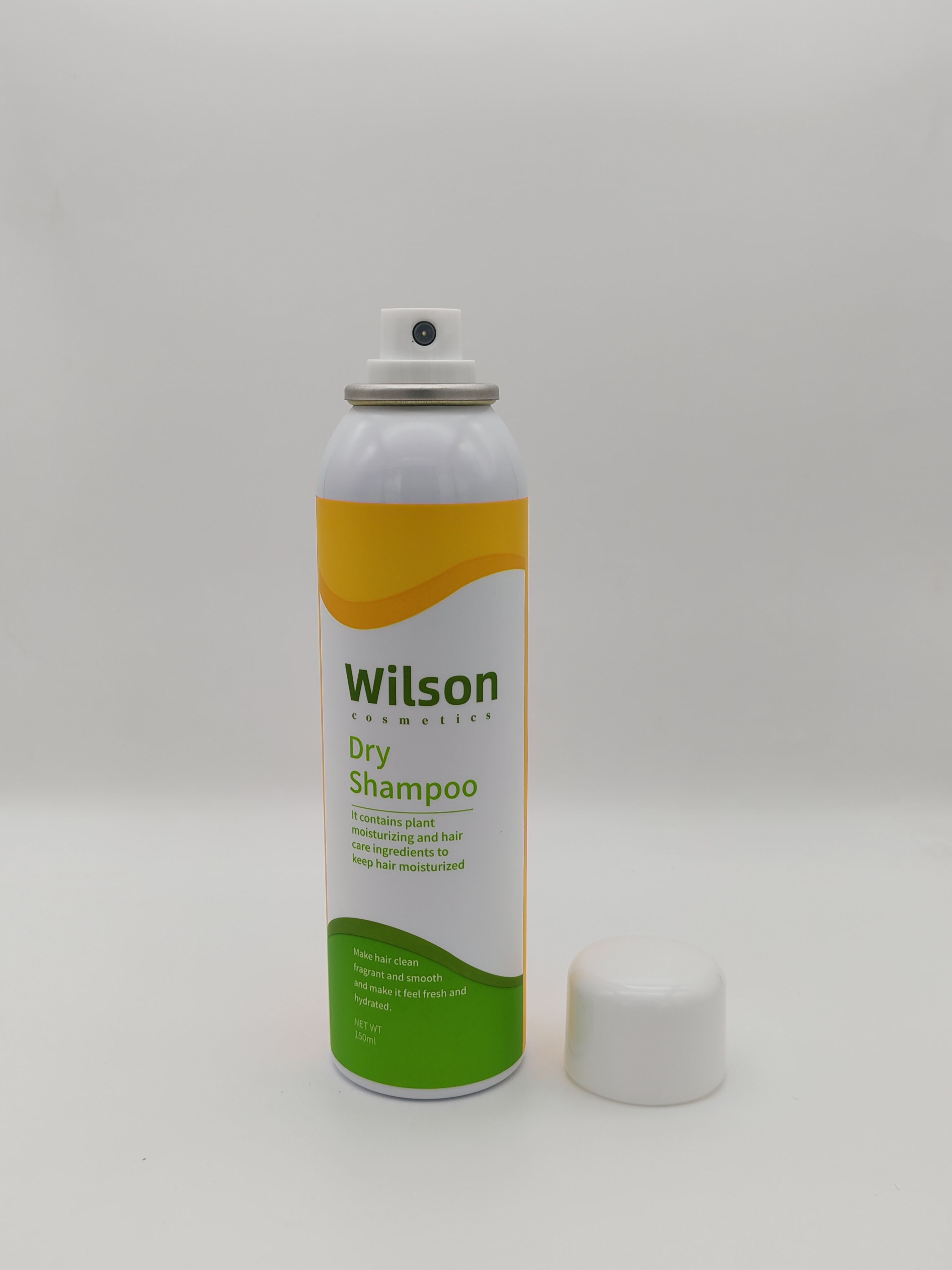
Custom formulations often start with a simple question: what is the top account trying to solve that standard products cannot? Instead of pitching a ready-made catalog, approach the conversation by mapping the client's production constraints, ingredient restrictions, or packaging targets. A distributor who understands these operational realities is better positioned to propose a tailored blend that fits both the account's workflow and the supplier's capabilities.
The negotiation should focus on shared value rather than price alone. Quantify how a custom formulation can reduce waste, shorten changeover times, or open a new market segment for the client. When both sides see the formulation as a joint investment in the account's growth, it becomes easier to agree on minimum order quantities, lead times, and exclusivity clauses without turning the discussion into a discount battle.
Finally, build a trial structure that lowers risk for the top account while protecting your margins. Offer a small pilot batch with defined performance metrics, followed by a scheduled review before scaling up. This approach keeps the distributor's key accounts engaged, turns the formulation into a collaborative project, and creates a barrier that competitors will find hard to replicate.
Let Distributors Run Exclusive Territory Launches
When a new product is ready to hit a specific region, handing the reins to a local distributor for an exclusive launch can unlock hidden momentum. Instead of broadcasting the same release across every market at once, give one partner a head start in their territory. They know the local buyers, the quirks of the sales cycle, and which messaging lands without sounding like a corporate memo. That trust often translates into a sharper, more confident pitch—and early orders that create a ripple effect before the wider rollout even begins.
Exclusivity also changes how a distributor invests their time and energy. Rather than competing for attention with neighboring regions, they can pour resources into local events, targeted outreach, and tailored follow-ups. That focus tends to produce a cleaner launch story: a single partner, a defined area, and a clear window of opportunity. Other distributors watching from the sidelines will start asking when their turn comes, which builds organic demand without any heavy-handed push.
Of course, this approach works best when the ground rules are explicit from day one. Define the territory boundaries, the launch window, and what happens after the exclusive period ends. Let the distributor own the narrative locally, but keep the product's core identity consistent. When done right, exclusive territory launches feel less like a distribution deal and more like a partnership—one where the first mover earns genuine bragging rights and the brand gains a stronger foothold, region by region.
Build a Referral Fee Program for Salon Owners Who Reorder
Salon owners who reorder are already comfortable with your product, so asking them for referrals doesn't feel like a cold pitch. The catch is making the reward match the effort. A flat $10 for any signup tends to attract names that never buy again. Instead, set the referral fee to trigger on the referred owner's second or third order. That way, the referring salon only gets paid when the new account shows actual reorder behavior, not just a one-time trial.
Pick a payout that's easy to explain and cheap to administer: for example, a $20 store credit or 6% of the referred salon's second order total. Issue the credit only after that second order clears, and send a simple confirmation email or text so the referring owner knows exactly when to expect it. Unique referral codes work better than generic links because they let you track which existing salon brought in the new one without extra spreadsheet work.
Roll the offer out to your current reordering salons through an invoice insert or a brief text message rather than a long email blast. Keep the terms to one or two lines: one credit per referred salon, second-order minimum of $75, and any unused credit expires after 12 months. Check monthly how many referred salons are actually reordering, then adjust the percentage or the minimum order threshold if you're paying out too much for one-time buyers.
Create a 'Try Before You Stock' Kit for Independent Boutiques
Most independent boutique owners are tired of gambling on stock that sits on the shelf. A “Try Before You Stock” kit takes that risk off the table. Put together a small, well-made box with three to five sample units — two safe bets from your best-selling range, one new arrival, and maybe one oddball item that sparks conversation. Inside, skip the glossy catalog and write a single page that says exactly what the wholesale terms are, what the minimum reorder looks like, and how quickly you can ship after they say yes.
Make returning the kit painless. Tuck a prepaid return label into the box and add a short feedback card with three specific questions: which samples would their regulars ask for by name, what price feels too high or too low, and what gap in their current range your line could fill. Don’t follow up with a generic email blast — pick up the phone within five days and ask how the samples landed. Offer a small credit toward their first order if the kit comes back on time.
Keep the kit seasonal and switch out anything that underperformed. Boutique owners talk to each other more than any trade publication, so a box that feels hand-picked and personal gets passed along. A quarterly refresh with two fresh items and a handwritten note beats a bigger, static kit every time.
Use Distributor Sales Data to Kill Weak Fragrances Fast
Stop guessing which scents are dragging your line down. Pull the last 90 days of distributor sell-through reports and sort by velocity, not just revenue. A fragrance that only moves when discounted is already dead weight. Flag any SKU with reorder rates below your median, then cross-check returns data to confirm the pattern. The goal is simple: cut the bottom 10% of performers before they poison shelf space for your winners.
Don't wait for quarterly reviews. Set an automated weekly alert comparing distributor restock counts against your own forecasts. If a new launch fails to hit 30% of projected reorders within six weeks, kill it. Weak fragrances don't just waste marketing dollars—they train buyers to be cautious with your next release. Use the data to identify not just what to cut, but which scent families are oversaturated in specific regions.
Finally, share the cull list with distributors before it goes public. Offer them a swap incentive: trade remaining inventory of discontinued SKUs for faster-moving lines at a small discount. This keeps relationships strong and turns a painful decision into a logistics win. Fragrance portfolios are living things—prune ruthlessly or watch the whole garden suffer.
FAQ
Custom partnerships let you shape the product itself, not just the route to market. You can adjust absorbency, scent, and nozzle spray patterns to match your brand voice, then work with a distributor who already has relationships in your target retail channels. That combination of product control and shelf access is hard to replicate with standard wholesale agreements.
Look at their track record with emerging beauty lines, not just their client list. Ask how they handle reorder timing, seasonal demand spikes, and retailer education. A capable partner will bring data on sell-through rates, offer sampling programs for salons or subscription boxes, and propose custom displays instead of treating your dry shampoo as another SKU in a catalog.
Dry shampoo sprays have broad appeal across hair types and lifestyles, which gives distributors more doors to open. The format also allows frequent repurchase and travel-size extensions, so a distributor can pitch it to gyms, hotels, or boutique retailers as a high-turnover item. That versatility makes the partnership more valuable than a single-purpose hair care product.
Prioritize minimum order quantities that don't cripple your cash flow, clear territory boundaries, and a defined process for formula changes. Also ask about exclusivity clauses because you want the distributor focused on your line, but not locked out of direct-to-consumer sales. Request quarterly business reviews with actual sales data, not just anecdotal feedback.
When you co-develop a unique scent profile or a powder-to-liquid ratio that addresses a specific complaint, distributors can't easily swap in a competitor. It gives their sales team a story to tell buyers, which shortens the pitch. Plus, if you involve the distributor early in testing, they feel ownership and push harder for placement.
Many brands overvalue the number of retail doors and undervalue replenishment support. A distributor with 500 doors but no reorder mechanism will leave you with one-time placements and stale inventory. Others ignore the distributor's ability to handle aerosol or bag-on-valve packaging, which can lead to damaged shipments and chargebacks.
Track net revenue per door, sell-through rate within 60 days, repeat orders from the same retail account, and the distributor's lead time for restocking. If the distributor only reports shipped units, ask for point-of-sale data. Growth means the product is being repurchased by consumers, not just pushed into storage.
Conclusion
Working with custom dry shampoo spray distributors doesn't have to start with a massive national rollout. In fact, skipping the big national distributor and first partnering with regional salon suppliers gives your beauty brand a foothold where stylists actually influence client purchases. These smaller distributors often know which salons are open to trying private-label or customizable dry shampoo options, and they can help you negotiate bespoke formulas directly with their top accounts—something a huge distribution network rarely bothers with. Once those formulations are locked in, let the distributor run exclusive territory launches. Giving one region early access creates a sense of scarcity and lets the distributor's sales team build momentum without competing against other territories.
To keep salons reordering, set up a referral fee program for owners who bring in new accounts or consistently restock. Pair that with a 'try before you stock' kit for independent boutiques, so they can test the spray's feel, scent, and residue level without committing to a full case. Distributors will love this because it lowers the barrier to entry. And don't ignore the sales data they provide: if a fragrance variant is clearly underperforming across multiple salons, cut it quickly. Use the distributor's numbers to focus on two or three winning scents and push those through the same territory launches. That lean approach keeps your custom dry shampoo line nimble, profitable, and attractive to distributor partners who want growth without dead stock.
Contact Us
Contact Person: Simon
Email: [email protected]
Tel/WhatsApp: +86 13267966849
Website: https://www.wilsoncosmetic.com