

Aluminum Cases Supplier Vetting: How to Find a Trusted Partner for Custom Orders
2026-09-30
Sourcing custom aluminum cases can feel like a gamble—every supplier claims to be reliable, yet quality, lead times, and communication often fall short. Before you commit to a partner for your next prototype or production run, it pays to know what truly separates a dependable vendor from a costly mistake. At Peak Fasten, we've seen too many buyers learn this the hard way, so we're breaking down the vetting process step by step. Whether you're an engineer specifying tight tolerances or a procurement manager balancing budgets, this guide will help you spot red flags early and find a supplier that treats your custom order as a partnership—not just another job.
Define Your Custom Aluminum Case Requirements Before Reaching Out
Before you draft that first email or pick up the phone, take a hard look at what the enclosure actually needs to do. Is it shielding sensitive electronics from dust and moisture, or just keeping a prototype tidy on a bench? Jot down the rough dimensions, wall thickness preferences, and any cutouts or mounting points you already know about. The clearer you are about the functional demands, the less back-and-forth you'll face later.
Think beyond the basic box shape, too. Consider how the case will be opened, whether it needs a hinged lid, slide-out tray, or threaded inserts for PCB standoffs. Note the expected operating environment: temperature swings, vibration, chemical exposure, or simply repeated handling. If you have a preferred finish—bead blasted, anodized, powder coated—mention it now, not after tooling has started.
Finally, pin down your realistic quantity and timeline. A one-off prototype for a trade show has very different design constraints than a run of five hundred units headed to field testing. Knowing your budget range helps filter out impractical features early. By arriving with this groundwork already done, you turn the first conversation from a vague exploration into a focused problem-solving session.
Reading Between the Lines of a Supplier’s Manufacturing Capabilities
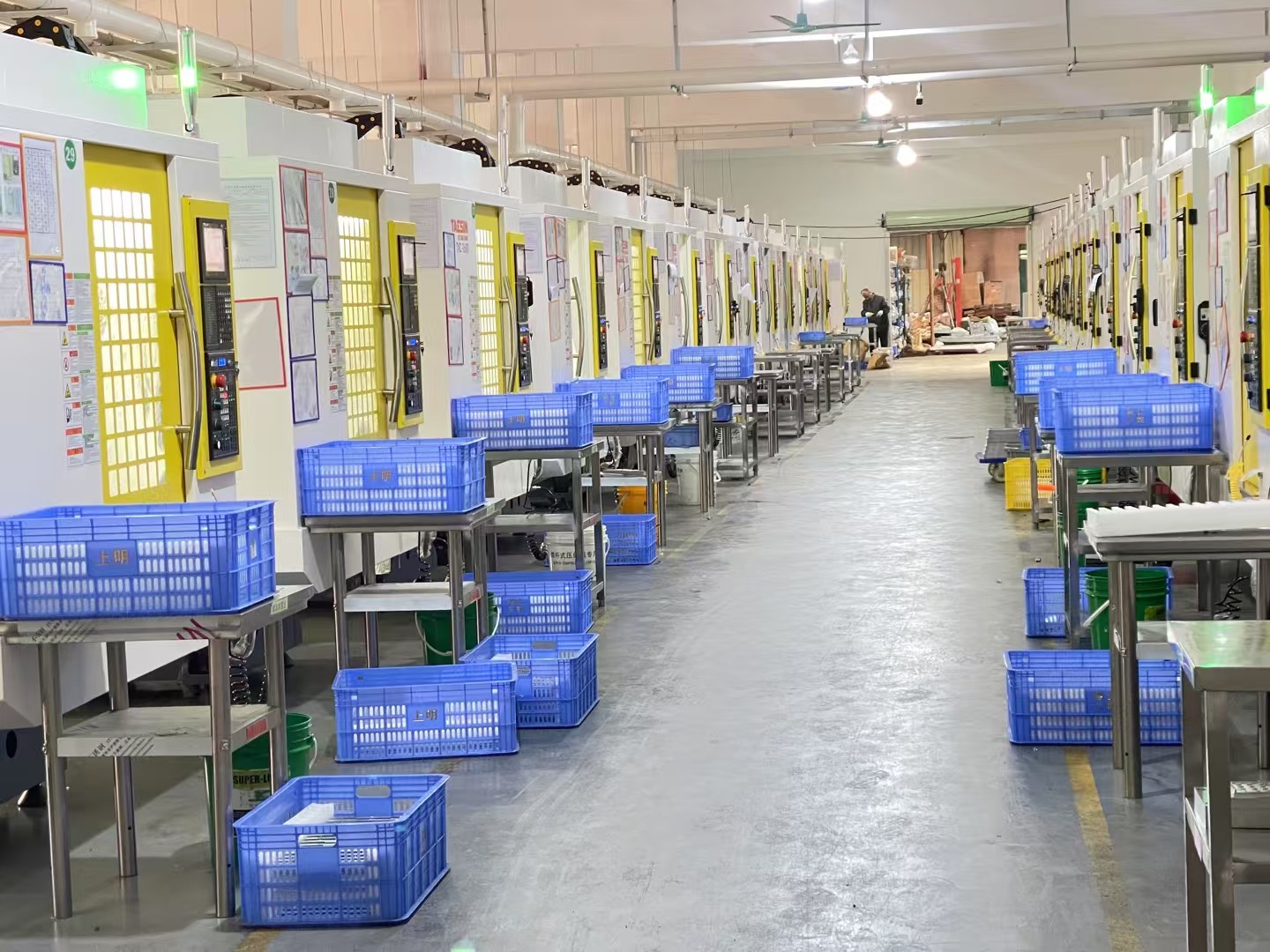
A supplier’s glossy capability statement rarely tells you how the shop actually runs. On a floor visit, pay attention to the edges: the condition of rarely used tooling, whether calibration stickers are current on gages that are not part of the demo, and how raw material is tagged and stored. One machine with a different shade of cutting fluid or a pallet of castings sitting in a puddle of dried coolant can hint at habits that no audit checklist captures.
Ask operators direct questions about tolerances they hold and what happens when a dimension drifts. If they can show you a scrap bin with a handwritten note explaining why a part was rejected, that’s more useful than a polished nonconformance log. Request a recent internal corrective action report—not one from two years ago—and see whether the root cause points to process control or to retraining the same person repeatedly. These small artifacts expose how problems are handled when nobody is watching.
Price differences between suppliers often hide capacity and inspection choices. A lower quote may reflect skipped in-process checks, older machines that require constant offset tweaks, or post-machining hand finishing that won’t scale. Before committing, ask for a first article report from a current production run, not a setup piece, and compare its measurement spread with the stated Cpk. If the data source is unclear or the numbers look too uniform, treat the capability claim as unverified until you see the gage R&R behind it.
Quality Marks That Actually Matter for Aluminum Enclosures
When shopping for an aluminum enclosure, the surface tells you more than any spec sheet. Look for a uniform grain on brushed finishes—no wavy patches or cloudy streaks where the anodizing bath didn't bite evenly. A quality mark that's easy to miss: the edges and corner radii. Run your thumb along them; a well-made enclosure feels almost soft, with no burrs or knife-sharp ridges from a rushed CNC pass. If the manufacturer bothered to deburr properly, chances are the internal tolerances are just as honest.
Another mark that separates real craftsmanship from commodity parts is the fit of the lid or end panels. Cheap enclosures often rely on gaskets to hide gaps, but a tight, repeatable seam with consistent reveal lines shows that the extrusion die and machining steps were dialed in. Check the mounting bosses too—helicoils or threaded inserts that sit dead-flush instead of slightly proud or recessed tell you the maker cares about assembly repeatability, not just looks.
Finally, look for documentation that goes beyond a drawing. A short walkthrough of the alloy used (6061 vs. 6063 matters for thermal and machining behavior), the actual anodizing thickness in mils, or a note on passivation for internal surfaces are signs the supplier understands the environment your enclosure will live in. Those marks don't photograph well, but they're the ones that keep a housing looking and working right after five years in the field.
How Responsive Communication Reveals a Supplier’s True Colors
A supplier that answers quickly and with clear, specific information usually has its operations under control. Slow, vague replies often hide deeper problems like understaffing or poor inventory management. Watch how they handle a simple question about lead times or order changes.
Responsiveness isn't just speed. The way a supplier communicates when something goes wrong says more than their polished sales pitch. Do they offer solutions or excuses? Do they update you before you have to chase them? These patterns repeat once you're locked into a contract.
Over time, a supplier's response rhythm becomes a reliable indicator of how much they value your business. Consistent, proactive updates signal a partner who treats your deadlines as their own. Silence or deflection reveals a vendor who only cares about the initial sale.
Prototype Trials: Separating Promises from Production Reality
Early prototype trials rarely fail for the reasons teams expect. The demo works flawlessly in a controlled room, the metrics look strong, and leadership walks away convinced the hard part is over. Then the same model meets messy production traffic—oddball edge cases, unpredictable latency, dependencies that time out—and the previously stable outputs start drifting in ways nobody anticipated.
What separates a promising trial from a dependable release is how honestly the team accounts for context. Production introduces version mismatches, incomplete logs, retry storms, and human override patterns that no sandbox can simulate. A prototype that only proves the algorithm can solve a curated problem often collapses under the weight of real input distributions and operational constraints.
The fix is not to make trials longer, but to make them meaner. Run the prototype against unvetted live traffic, measure degradation under partial outages, and force it to survive without manual babysitting. Only then do the promises start sounding like production reality.
Locking In Terms That Protect Your Custom Orders Long-Term
Custom orders can fall apart when the fine print leaves room for drift. Start by pinning down material sources, revision limits, and delivery windows in writing—not just in a casual email thread. A clear scope of work with a clause for freeze dates means a supplier can't quietly swap premium components for cheaper ones months later. This isn't about distrust; it's about keeping the original vision intact when team members change or demand shifts.
Consider adding a price-lock window tied to your forecast volume. If your accessory line suddenly doubles, you don't want raw material surcharges eating into the margin on every unit. Negotiate a fixed cost for the first production run and a formula for future batches based on a published index, not the vendor's mood. Also ask for a minimum notice period before any term changes take effect—thirty days is common, but sixty gives you room to push back or find alternatives without a fire drill.
Finally, make the contract ugly-proof: include a simple dispute resolution path that starts with a phone call, not a courtroom. Define what "conforming goods" means for your specific product—tolerances, finish, packaging. The goal is a set of terms that reads like a shared operating manual, not a weapon. When both sides know the boundaries, custom work stops being a gamble and starts behaving like a repeatable system.
FAQ
Watch for vague answers about material grades, unwillingness to share factory certifications, or quotes that seem far below market rates. A reliable supplier will openly discuss alloy specifications, surface finish options, and tolerances. If they dodge questions about previous custom projects or can't provide references, move on. Also be wary of anyone pushing for full payment upfront without a detailed sample approval process.
Ask for recent production line photos or a live video walkthrough, not just a polished catalog. Check their business license for 'manufacturing' scope, and request copies of ISO 9001 or similar quality system certificates tied to the same legal entity. A genuine factory will also be able to walk you through their cutting, bending, welding, and finishing process in detail, including the machines they use.
Specify the exact aluminum alloy (like 5052 or 6061), thickness, dimensions, corner joint type, surface finish (powder coat, anodizing, brushed), and any custom foam or hardware needs. Include a sketch or CAD file if possible. Without these details, quotes will vary wildly and you'll waste time filtering out suppliers who make wrong assumptions.
Request case studies or photos of similar past projects, especially those with unusual shapes, integrated hinges, or precision cutouts. Ask about their engineering support—do they offer DFM feedback before production? A supplier that asks clarifying questions about your use case, rather than just accepting the drawing, is more likely to catch design flaws early.
For one-off projects, prioritize flexibility and communication speed, since tooling and setup costs dominate. For recurring orders, focus on process stability: ask about their statistical process control, batch traceability, and how they handle fluctuations in raw material pricing. A shop that excels at prototypes may struggle with consistent high-volume output, so match your vetting to your order profile.
Use an NDA before sharing detailed drawings, but remember NDAs are only as strong as your enforcement ability. Better to split the design into modules and only share full specs with the final shortlist. Ask about their policy on client-owned tooling; a trustworthy supplier will sign a tooling ownership agreement and won't reuse your custom dies or fixtures for other clients.
Samples are the single most reliable proof of capability. Ask for a pre-production sample made with the exact materials and finishes from your spec, not a generic off-the-shelf case. Check weld seams for consistency, corners for sharp edges, and surface coating adhesion. Pay attention to packaging—if a sample arrives scratched or poorly protected, that's a sign of how your bulk order will be handled.
Conclusion
Finding a trustworthy aluminum case supplier for custom orders is less about picking the flashiest website and more about testing how a manufacturer behaves before you commit. Start by pinning down your exact requirements—dimensions, material grade, finish, IP rating, and any certifications—because a dependable partner will ask detailed questions rather than push a generic quote. Then look past glossy capability lists to verify actual equipment, in-house processes like CNC machining or anodizing, and experience with your specific industry. Genuine quality signals include ISO 9001 certification, RoHS compliance, and material traceability, but don't overlook real-world evidence such as sample reports, surface finish consistency, and tolerance control. A supplier that proactively shares these details, instead of hiding behind jargon, already stands out.
Communication during early exchanges reveals far more than any brochure. A reliable partner responds promptly, clarifies ambiguities, and offers engineering feedback—not just sales promises. Before scaling up, insist on prototype trials with the exact tooling and finish you'll use in production; this separates factories that can replicate quality from those that only deliver a one-off showpiece. Once the prototypes pass, lock in terms that protect you over the long haul: clear specs for dimensional tolerances and surface quality, agreed lead times with penalties for delays, warranty coverage for defects, and a defined process for handling non-conforming batches. The best suppliers welcome these clauses because they know their process is repeatable. Ultimately, a trusted aluminum case partner is one who treats your custom order as the start of a working relationship, not a single transaction.
Contact Us
Contact Person: Mason Lv
Email: [email protected]
Tel/WhatsApp: +86 13027998452
Website: https://www.peakfastentech.com