

Air Damper Supplier: What to Look for in a Reliable Partner
2026-10-28
Finding an air damper supplier who won't disappear after the first order can feel like searching for a needle in a haystack. Many companies promise reliability, but only a few back it up with consistent quality, responsive support, and on-time delivery. At THT, we believe a trustworthy partnership is built on more than a catalog of products—it's about understanding your airflow control challenges and solving them before they become costly downtime. In this guide, we break down what to look for in a reliable air damper partner, so you can make a decision with confidence.
When Drawings Meet the Shop Floor
A drawing can look flawless on a monitor and still stumble the moment it reaches a milling machine. Dimensions that line up perfectly in CAD assume a clean billet, a rigid fixture, and tools that haven't worn past their sweet spot. On the shop floor, none of those assumptions are free. Chips pile up, coolant drifts, and the operator notices a datum feature that can't be clamped the way the print suggests. That's the first real meeting between intent and reality.
The friction isn't a flaw to eliminate. It's information. A tolerance that looks generous in an office chair might force a second setup or a custom gauge on the floor. A weld symbol that ignores access for a torch turns a five-minute joint into a half-hour ordeal. Skilled machinists and fabricators learn to read the drawing as a hypothesis rather than a verdict. They annotate margins, modify toolpaths, and sometimes call the engineer with a markup that says, "Your datum is fine, but we can't hold it with the stock you specified."
Once that conversation starts, the drawing stops being a decree and becomes a shared working document. Revisions follow from redlines, model-based definitions add clarifications, and the next print run carries notes that reflect actual conditions. It's a loop that only works when both sides respect the other's constraints. The shop floor doesn't need a perfect drawing. It needs a drawing that can take a hit, get marked up, and come back sharper.
The Hidden Story Behind Material Certifications
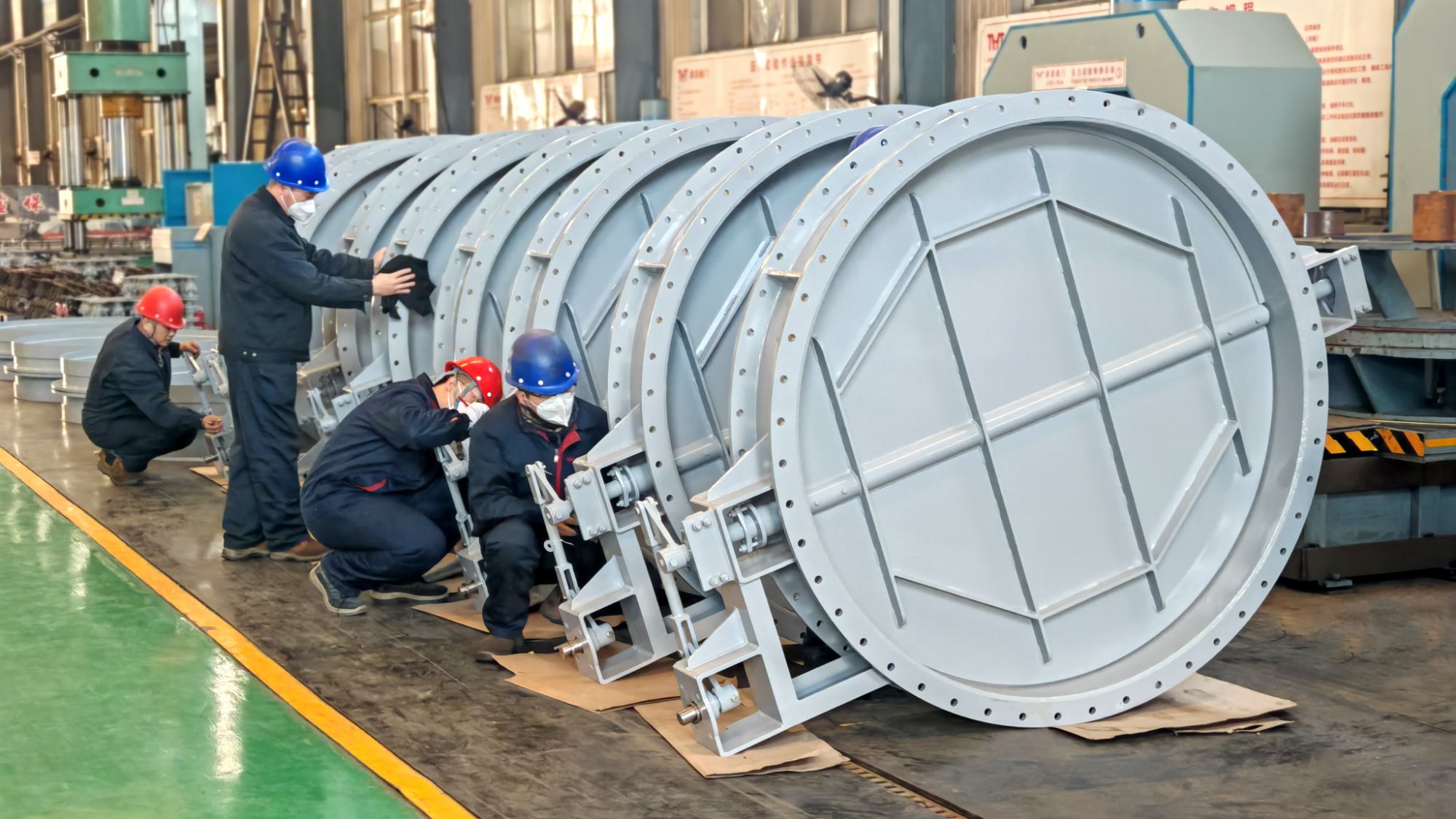
Most people glance at a material certification and see a stamp of approval—a promise that the steel, polymer, or composite meets every listed standard. But dig a little deeper and you'll find that these documents often tell a more tangled story. Certificates can be recycled, selectively edited, or quietly reissued after a failed batch gets blended with a compliant one, all while the paperwork stays pristine.
Then there's the testing gap. A certificate might verify a sample that was cured for twice as long as the production run, or tested in a lab half a world away with different humidity and calibration. The result is a piece of paper that says “conforms” while the material sitting in a warehouse behaves very differently under real-world stress. Engineers who rely on those numbers without questioning provenance are gambling with more than just specifications.
The hidden story, really, is that certification is a snapshot, not a guarantee. It captures a moment when someone decided a material passed, but it rarely captures the pressure to cut corners, the turnover in third-party auditors, or the quiet revisions that happen after a complaint. Understanding that is the first step toward building a supply chain that doesn't just collect certificates but actually verifies them.
Custom Dampers Without Starting from Scratch
Many engineering teams assume that a custom damper means a blank-sheet design project with long lead times and high tooling costs. The reality is different: by leveraging modular component libraries and proven internal geometries, it's possible to tailor damping force, stroke length, and mounting configuration without re-inventing the core piston-and-valve system. Start with an existing platform that offers a range of bore sizes and adjustable valve stacks. Then modify the outer body length, add custom eyelets or clevis ends, and tune the shim stack for your specific force-velocity curve. This approach typically cuts development time by half compared to a fully bespoke design.
The secret sauce lies in focusing customization effort where it matters most for the application. For an off-road suspension, you might prioritize heat dissipation and high-speed compression blow-off. For an industrial automation setup, repeatability and low breakaway friction become the key variables. Instead of designing every internal component from scratch, work with a supplier that offers pre-validated cartridge valves and seals. You can then concentrate on the external housing material, surface treatment, and specific rod coating to match your environmental conditions. This keeps the damper reliable while giving you a unique part number and exact performance targets.
Another overlooked strategy is adapting an existing monotube or twin-tube damper from a different vehicle or equipment category. Often, the stroke and damping forces can be re-tuned with a different piston bleed setting and a custom spring perch, avoiding the need for new castings or forgings. With the rise of adjustable compression and rebound clickers, a single base design can cover a wide range of machines. The key is to document your load cases and velocity profiles, then let the supplier iterate on valving through simulation before cutting any metal. The result is a damper that feels bespoke to your application, yet avoids the risk and cost of a clean-sheet program.
A Promise Date Isn't a Delivery Date
When a salesperson tells a customer the product will arrive by the 15th, that's a promise date—an expectation we set. The delivery date, though, is what the warehouse and the carrier can actually pull off. These two dates drift apart more often than anyone likes, and pretending they're the same only feeds frustration when the truck shows up late.
A smart planner uses the promise date as the target, not the guarantee. They track the delivery date separately, watch the gap between the two, and adjust the next promise based on real lead times. If you keep promising the impossible, customers learn to distrust every date you give them.
Will They Pick Up After the Order Ships?
Once your order has shipped and you realize you need to send something back, the short answer is yes—we can arrange a pickup. Instead of hauling the package to a drop-off point, you simply request a return through your account, and we'll schedule a courier to collect it from your doorstep. The pickup usually happens within one to three business days, depending on where you live and how quickly the local carrier can route a driver to your area.
That said, there are a couple of things worth knowing. You'll need to repack the item securely and attach the return label we email you—otherwise the driver might refuse the pickup. Also, if you're not home during the pickup window, the courier will leave a notice and you'll have to reschedule, which adds a day or two. But overall, it's a straightforward process that saves you a trip, and most customers find it easier than they expected.
Beyond the Quote: Building a Safety Net
A quote gives you a number, but it rarely tells you what happens when life tilts sideways. Building a safety net means looking past the initial figure and asking harder questions about coverage gaps, waiting periods, and the fine print that only matters when you're already stressed. It's the difference between having a policy that sounds good on paper and one that actually catches you when you fall.
Start by mapping your real risks instead of defaulting to whatever package looks cheapest. An emergency fund that covers a few months of lean living, disability coverage that won't vanish if you switch jobs, and a clear understanding of what your health plan excludes are all part of the same thread. You don't need to over-insure everything; you need layers that don't leave a hole where you're most vulnerable.
FAQ
Look beyond the catalog. A dependable partner will ask about airflow velocity, pressure differential, and installation environment before quoting. They should offer custom blade profiles, discuss seal materials for your temperature range, and share actual test data rather than generic brochures. If the conversation stays focused only on price, that is a warning sign.
Request test reports with specific leakage class ratings, such as AMCA 500-D, and confirm the test conditions match your application. A trustworthy supplier will provide pressure drop curves and air leakage figures at the required differential, not just a certificate on the wall. Ask if testing was performed on their own production units or subcontracted samples.
Pay attention to frame material thickness, blade edge seals, and bearing type. For corrosive environments, ask about stainless steel or aluminum options and whether the supplier offers epoxy or powder coating. Self-lubricating bearings and reinforced corner joints often indicate a design built for frequent cycling instead of occasional use.
An in-house engineering team can adjust drawings quickly, handle non-standard dimensions, and support field modifications without waiting for an outsourced design house. That speed prevents project delays. Ask for examples of complex retrofit work or unusual sizing they have completed recently.
Ask how many units from each batch get tested for leakage and operation before shipping. A transparent supplier will describe their sampling rate, show photos of test rigs, and explain what happens when a unit fails inspection. Batch traceability and final inspection checklists are strong indicators of consistent quality.
Request their on-time delivery rate for the last four quarters, and ask if they keep semi-finished inventory for common sizes. Check how they package dampers to prevent frame distortion during transit. A supplier that proactively communicates about potential delays is often more reliable than one that always says 'yes' and then misses dates.
Be cautious if a supplier avoids technical questions, cannot provide reference projects, or quotes a leakage class without showing the corresponding test standard. Requiring full upfront payment without a production schedule, or never asking about actuator torque requirements, also indicates a lack of application understanding.
Conclusion
Finding an air damper supplier isn't just about price per unit. The first sign of a solid partner shows up when your drawing leaves the office and reaches the shop floor. A good supplier asks about duct sizes, flange patterns, and blade torque before cutting metal—they don't wait until the first prototype fails. That same attention should extend to material certifications. Anyone can print a certificate; what matters is whether the galvanized steel or aluminum actually matches the mill test report and whether batch numbers trace back through the supply chain. When standard dampers won't fit, a reliable shop uses proven modules—existing blade profiles, bearing sets, and frame extrusions—to build custom sizes or configurations without charging you for a full design from scratch.
Delivery promises are cheap. What separates a supplier is whether the date they quote survives a material delay or a machine breakdown. Ask how many orders actually shipped on time in the last quarter, and watch how they answer. After the dampers arrive, pay attention to what happens if a linkage binds or a blade edge chips during installation. A dependable partner answers the phone, sends replacement parts, and doesn't argue about whose fault it is. Look beyond the initial quote for a safety net: can they hold buffer stock for your high-volume sizes, or offer a consignment program? Those quiet commitments matter more than a low bid when your ductwork is waiting on a Friday afternoon.
Contact Us
Contact Person: Su Zhang
Email: [email protected]
Tel/WhatsApp: +86-25219206
Website: https://www.tht-valve.com/