

16kWh Energy Storage Battery Pack Company: Essential Factors Before You Buy
2026-10-27
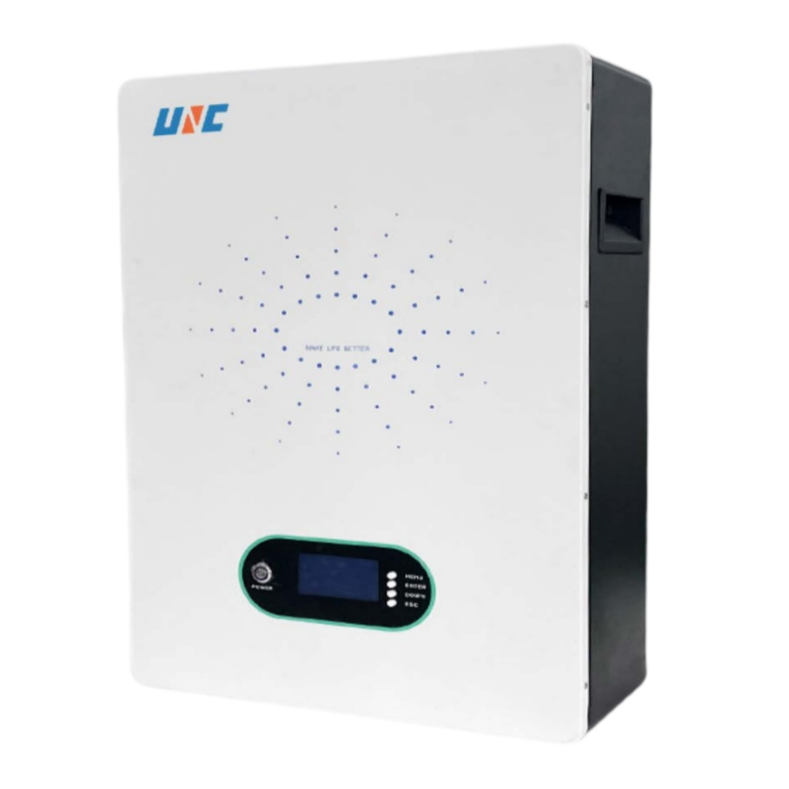
Shopping for a 16kWh energy storage battery pack often feels straightforward until you realize how many hidden variables shape long-term performance. From cycle life and depth of discharge to thermal management and warranty small print, one overlooked detail can turn a promising investment into a costly headache. That’s why UNC puts these factors front and center—so you can evaluate real-world capacity, safety, and integration before signing off. The following guide breaks down the essentials you should weigh, and what separates a dependable 16kWh system from one that only looks good on a spec sheet.
Understanding the Real Capacity Behind 16kWh Claims
Many people see a 16kWh label and assume they can use every watt-hour of it. In reality, battery management systems often cap the depth of discharge to protect cell longevity. A typical residential storage unit might only allow 80 to 90 percent of its rated capacity to be pulled before shutting down. That immediately turns a 16kWh pack into a 12.8 to 14.4kWh usable resource—and this is before any conversion losses are even considered.
Inverter efficiency adds another layer of reduction. Most home systems lose five to ten percent of the DC energy when converting to AC, simply due to heat and switching losses. Temperature plays a bigger role than people expect as well. Lithium cells under cold conditions can lose fifteen percent or more of their rated capacity, so a system that delivers 14kWh on a mild autumn day might only give you 11kWh in freezing weather.
Then there’s the issue of cycle life and testing conditions. The 16kWh figure often comes from a fresh battery measured in a temperature-controlled lab at a gentle discharge rate. After a few hundred cycles, real-world capacity may drop to ninety percent or less, especially if the battery regularly sees high loads or hot environments. To avoid disappointment, look for the spec sheet’s “usable capacity” or “rated capacity” rather than the marketing headline number, and factor in your own climate and usage patterns.
Battery Chemistry: Why Lithium Iron Phosphate Often Wins
A lithium iron phosphate cathode owes its stability to an olivine crystal structure where phosphorus and oxygen share exceptionally strong bonds. When a nickel-rich cell gets hot enough, the layered oxide can start shedding oxygen, feeding a fire. LFP refuses to let go of its oxygen even under severe abuse, so the worst you typically get is some venting and smoke, not a thermal runaway that consumes the pack.
That same rigid framework barely changes shape as lithium ions move in and out, which translates into astonishing cycle life. An LFP cell can often tolerate 3,000 to 5,000 full charge-discharge cycles before hitting 80% capacity, while many nickel-based cells degrade noticeably after 1,000 cycles. Add in the fact that iron and phosphate are cheap, widely available, and free of cobalt's supply headaches, and the per-cycle cost becomes very attractive even if the initial energy density is lower.
Daily habits also favor LFP. You can routinely charge it to 100% without the same calendar aging penalty, and it shrugs off hot garages or extended idling at high state of charge. Those traits explain why fleet operators and stationary storage installers keep picking LFP despite the weight penalty. The chemistry doesn't win on paper for a one-off range test, but over a decade of real-world use, it usually ends up ahead.
Company Track Record: Digging Beyond the Marketing Brochures
A polished brochure can make any company look impressive, but real credibility lives in the unvarnished details: how they handled a delayed shipment, what happened when a client's requirements shifted mid-project, and whether their promises survived contact with a tight deadline. Digging past the marketing gloss means examining their actual delivery history, not just the logos on their website. Ask for specific examples of setbacks and how they recovered—every firm has them, but only the reliable ones discuss them openly.
Look beyond the curated case studies to the pattern underneath. Did they consistently meet agreed milestones, or were there quiet renegotiations of scope? What do former clients say when you speak off the record? A track record isn't a highlight reel; it's the accumulation of small, unglamorous decisions made under pressure. Check how long their key staff have stayed, whether subcontractors were paid on time, and if their past work led to repeat business without a formal RFP. Those signals reveal more than any polished testimonial.
Finally, match their claimed expertise to the actual complexity of your situation. A company that has delivered twenty simple projects may not be ready for your tangled, multi-stakeholder mess. Conversely, a firm that has navigated a few genuinely difficult engagements—where the specs were ambiguous and the stakes were high—may be worth the premium. Dig until you find the uncomfortable truths, because that's where durable partnerships are built or broken.
Installation Realities: Hidden Costs and Compatibility Checks
Many budget-conscious buyers fixate on the upfront price of a new system, only to discover that installation brings a cascade of expenses that were never mentioned in the glossy brochure. From reinforcing floor joists to upgrading electrical panels or running new ventilation lines, the physical space rarely cooperates without modification. Older buildings often hide surprises behind drywall—asbestos abatement, outdated wiring that fails code, or plumbing reroutes that add hundreds or thousands to the final bill.
Compatibility checks are where even meticulous planners get tripped up. A component may list impressive specs on paper, yet fail to communicate properly with existing control systems, pumps, or sensors. Voltage mismatches, connector types, and firmware versions can turn a straightforward swap into a troubleshooting marathon. Smart buyers budget for interface modules, signal converters, or custom brackets, and they insist on a site survey before committing to any purchase.
The smartest approach treats installation realities as a design parameter rather than an afterthought. Ask for a line-item breakdown of labor, materials, and any contingency fees before signing. Verify that the proposed equipment has documented compatibility with everything currently on site, and request references from similar installations in your region. A few extra hours of due diligence can prevent a tidy quote from ballooning into a budget-breaking project.
Warranty Fine Print: What Actually Gets Covered Over a Decade
Most ten-year warranties aren't a blanket promise. The fine print typically splits coverage into phases—full parts and labor for the first two or three years, then a sharp drop to only the sealed compressor or heat exchanger. By year six, you're often paying for refrigerant, shipping, and the technician's time, even if the failed component itself is still under warranty.
Registration deadlines trip people up constantly. If you don't file the warranty card within sixty or ninety days of installation, the decade-long coverage silently reverts to a base five-year term. Some brands also void the extended protection if the system wasn't installed by a licensed contractor or if annual maintenance records aren't kept—a $200 tune-up each year can end up being the unspoken cost of keeping that ten-year sticker valid.
And the warranty usually follows the equipment, not the person. Sell your house and the remaining years transfer automatically, but only if the new owner can produce the original proof of purchase. Buy a flipped home and you might discover the fancy furnace is on its second owner with no transferable paperwork—so that ten-year coverage is effectively gone before the appliance hits middle age.
Total Cost of Ownership: Beyond the Sticker Price
When you're comparing products, the upfront price tag can be a seductive shortcut. But the real story unfolds over months and years of use. A cheap printer might save you fifty dollars today, yet its ink cartridges could drain your wallet dry before the first ream of paper runs out. That's the essence of total cost of ownership: factoring in maintenance, consumables, energy draw, and even resale value. It's not about being cynical—it's about being honest with your future self.
Consider a commercial vehicle. Two vans on the lot may carry similar window stickers, but one could drink fuel at a punishing rate, demand expensive synthetic oil every three thousand miles, and lose half its value the moment you sign the papers. The other might sip diesel, shrug off minor wear, and hold its resale price like a well-kept secret. Over a five-year lease, the gap in true cost can stretch into thousands—enough to fund a whole extra route, or hire a part-time driver.
Smart buyers map out these hidden expenses before they commit. It doesn't require a spreadsheet wizard—just a few pointed questions. How often will this item need servicing? What do replacement parts cost, and how easy are they to find? Does the warranty cover the parts most likely to fail, or just the ones that never do? A little digging now can spare you from the slow drip of ownership later. Because in the end, the cheapest thing on the shelf is rarely the cheapest thing in your life.
FAQ
Ask about their testing protocols. A dependable company will share thermal runaway test results, cell-level monitoring data, and real-world cycle life curves. If they hesitate to provide those, they may be hiding quality control gaps. Also check if they have local service partners—shipping a 75kg unit back for repairs is rarely practical.
Not the only one, but usually the safest. LFP tolerates more charge cycles and is less prone to thermal events than NMC, though it's heavier. For stationary storage where weight doesn't matter much, that trade-off works well. Some companies now offer sodium-ion packs, but long-term field data is still thin, so stick with proven chemistry unless you have a specific reason.
At minimum, look for UL 9540A for fire safety and UL 1973 for stationary storage. If you're in the EU, CE marking plus IEC 62619 is expected. Don't accept a vague 'compliant' claim—ask for the test report numbers and verify them on the certifier's database. Missing documentation is a red flag, not a minor paperwork issue.
Expect 90% to 95% depth of discharge from a quality LFP pack, so roughly 14.4 to 15.2 kWh usable. Some budget packs limit you to 80% to protect cells, which cuts usable energy to 12.8 kWh. Always ask for the warranty's guaranteed minimum capacity after 10 years—if they only quote initial capacity, proceed with caution.
Read the degradation clause carefully. A decent warranty should guarantee at least 70% remaining capacity after 10 years or 6,000 cycles, whichever comes first. If the warranty only covers 'workmanship defects' and stays silent on gradual capacity fade, you're on your own when the pack loses range after a few years. Also check whether labour and shipping are included—those costs can exceed the battery price.
Clearance and cooling are big ones. Even LFP packs need airflow, so don't plan to squeeze them into a sealed closet. Check the weight—16kWh packs often weigh 120–180kg, so wall mounting may require structural reinforcement. Also confirm the inverter compatibility: some packs only talk to specific hybrid inverters, and adding a third-party gateway can void the warranty.
Ask how the BMS balances cells and what happens if one cell fails. A good BMS should offer active balancing, temperature sensors on each module, and a dedicated ground-fault detection circuit. Ask for a demo of the monitoring app—if the interface feels clunky or hides critical data like per-cell voltages, that's a sign the company didn't invest in software.
Conclusion
A 16kWh energy storage pack sounds like a straightforward number, but the real usable capacity can dip once depth of discharge, round-trip efficiency, and temperature derating enter the picture. Reputable companies publish these figures instead of hiding behind a single headline spec. Lithium iron phosphate (LFP) cells have become the default choice for many installers because they handle thousands of cycles without the thermal runaway risks tied to older lithium chemistries. That longevity only matters if the company behind the pack has a real service record, so ask for existing installation references, replacement response times, and how long they have actually been shipping this product rather than relying on glossy brochures.
Installation costs can easily erase the savings from a cheaper battery, especially when your existing inverter, transfer switch, or breaker panel requires upgrades. Get a site-specific compatibility check before committing. Warranties deserve the same scrutiny: look for coverage of both energy throughput and capacity retention over ten years, not just a vague "defects" clause. Finally, run the total cost of ownership with expected daily cycling, time-of-use tariffs, backup requirements, and possible future expansion. A pack priced low up front may cost more per warranted kilowatt-hour delivered if it degrades faster or forces proprietary add-ons later. The right company will lay out these numbers without pressure, making the 16kWh figure a starting point rather than the whole story.
Contact Us
Contact Person: Manager Leng
Email: [email protected]
Tel/WhatsApp: 8613764878967
Website: https://www.unc-energy.com